
-
Shrouded Saturday

Morning walk in heather lands.
-
Foto Friday

I wonder why US English has not changed back photo to ‘foto’.
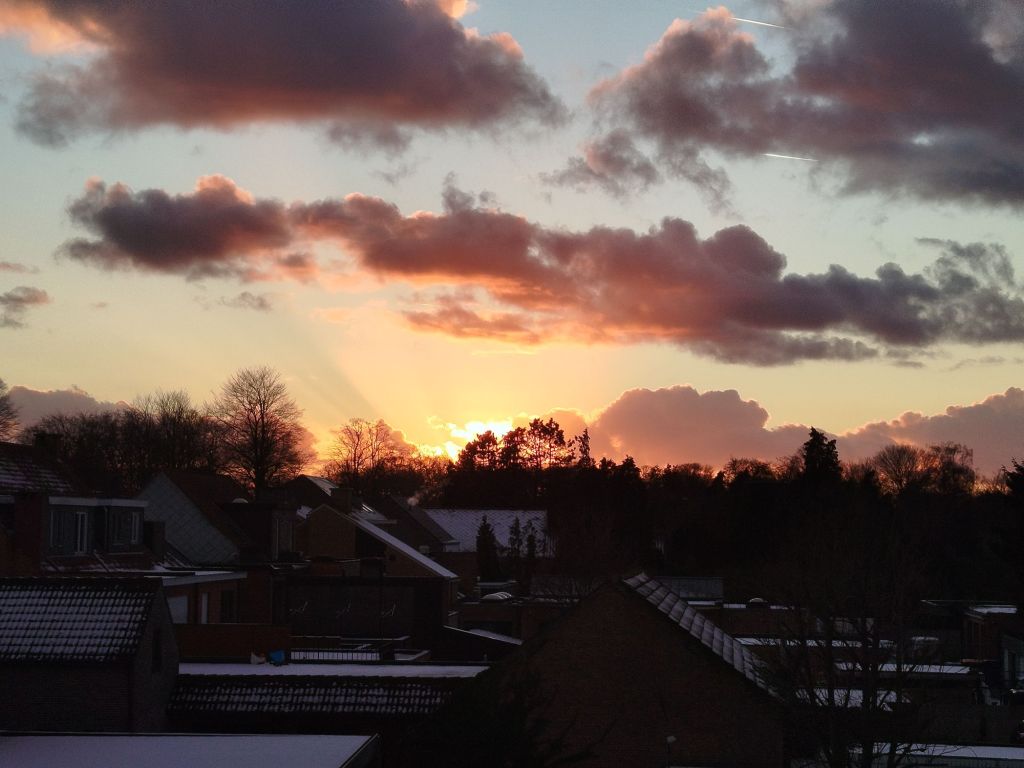
Nothing special, just the scenery from my window. Enjoy your weekend!
-

The Impact of Drought on Kalmthoutse Heide Fens
Grenspark Kalmthoutse Heide is rich in fens thanks to the peat industry, wars (bomb craters) and – surprisingly – nature itself. The fens only water resource is rain water due to its higher location than surrounding areas. Hence quite unique and “specialists” fauna and flora can be found. No need to explain the attraction it has on many and diverse visitors.
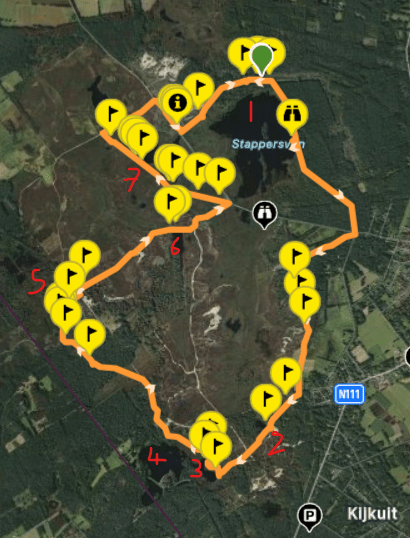
Starting point is Stappersven (1) (swap a to e and v to f) which has been subject to major water level changes over the last few years. Especially the drought periods have prolonged. The park is a drinking water resource (on both sides of the current country borders) and ground water level are still very low.

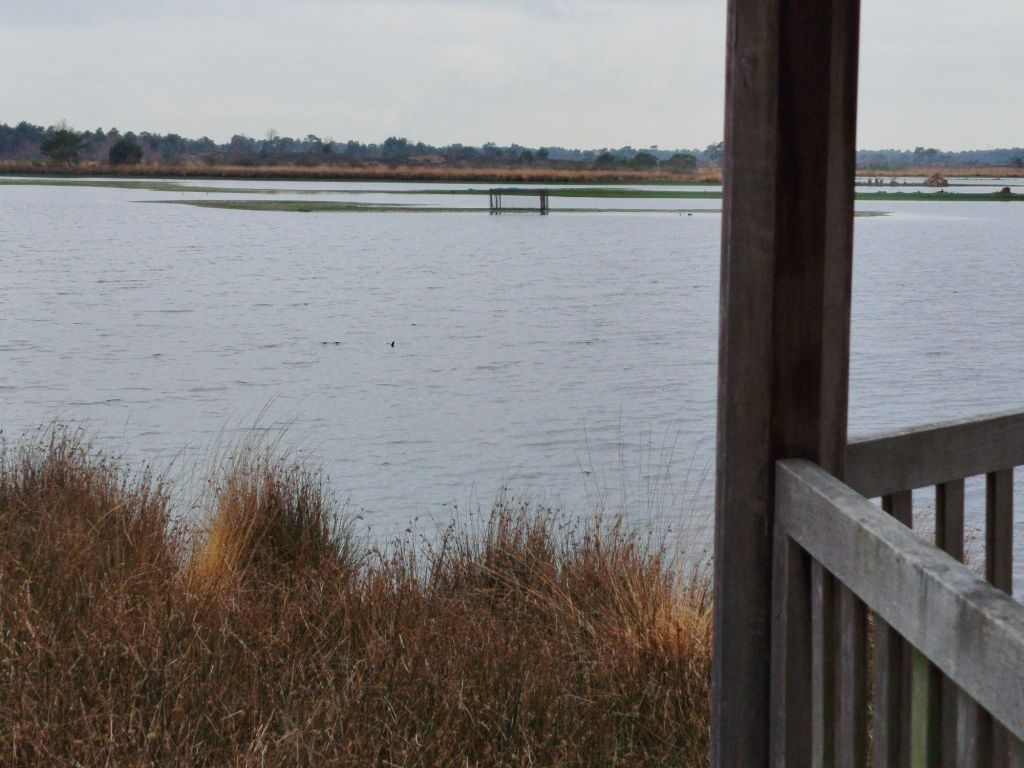


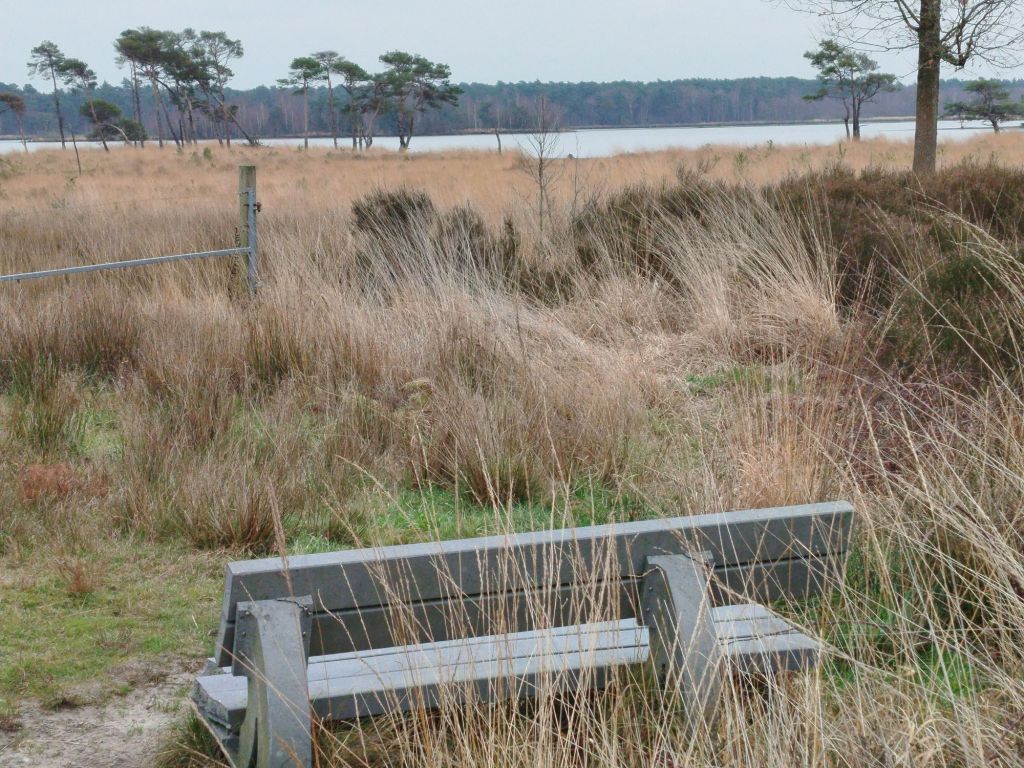
The seat is my benchmark (pun intended). When on the bench your feet would dangle over the water about 3 years ago. January 2024 ice-skating was allowed for a couple of days and the natural dyke was flattened. The Small Stepper (‘Kleine Stapper’, in Dutch ‘klein’ is synonymous for ‘smal’ or ‘kort’, the English short) viewing platform has not had wet feet for many years.
I could walk about eight steps before reaching water instead of ten at the end of summer. Just to indicate how low water levels still are currently. This fen is the largest of the park.
The second fen, Van Ganzenven (gans = goose; however ‘Van Ganzen’ might as well be a surname) was actually new to me. And most probably only a fen in very wet periods. Research learned people were also skating here in 2024. Two paths cross the fen nowadays.
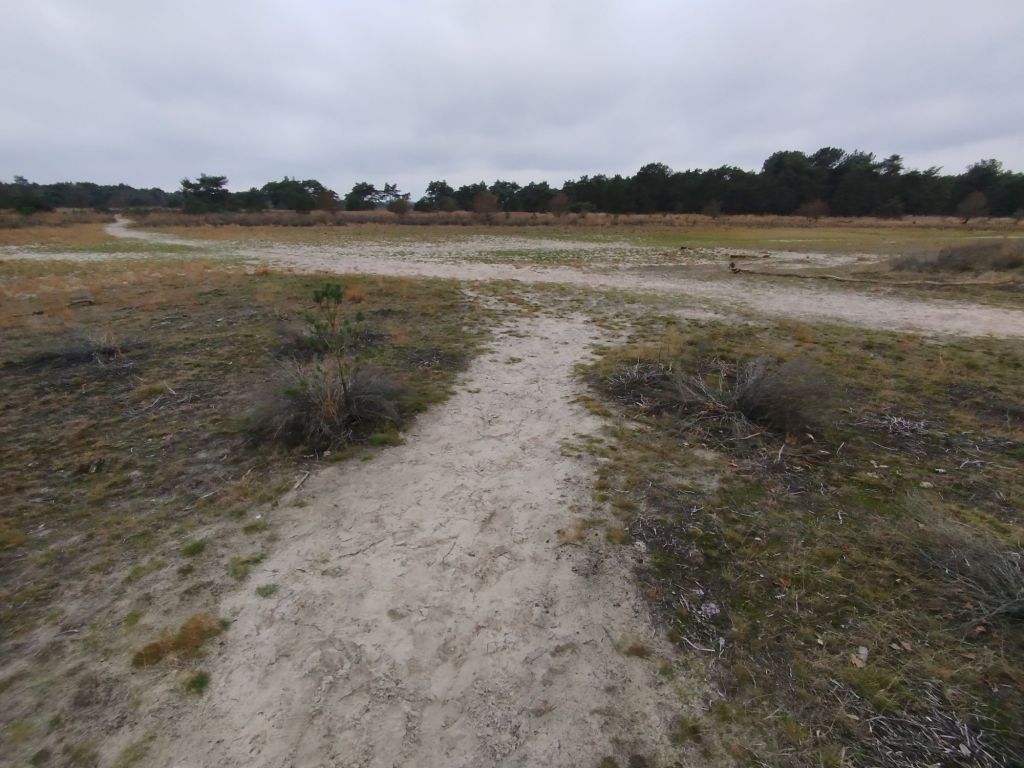
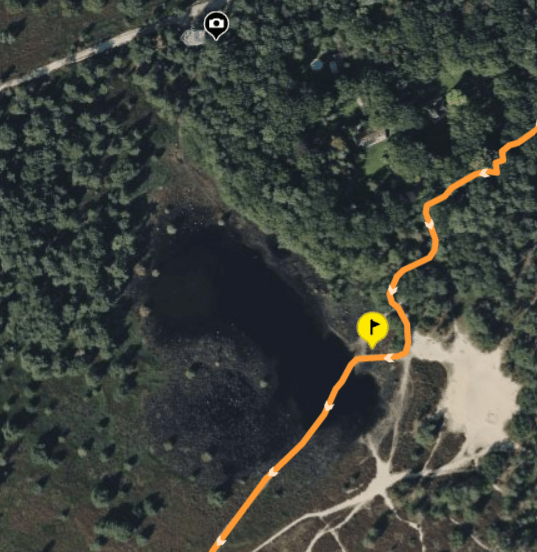
The yellow marker indicates the above photo.
Three and four are both Putse Moer (moor/marsh of Putte), I split them up since three had been empty.
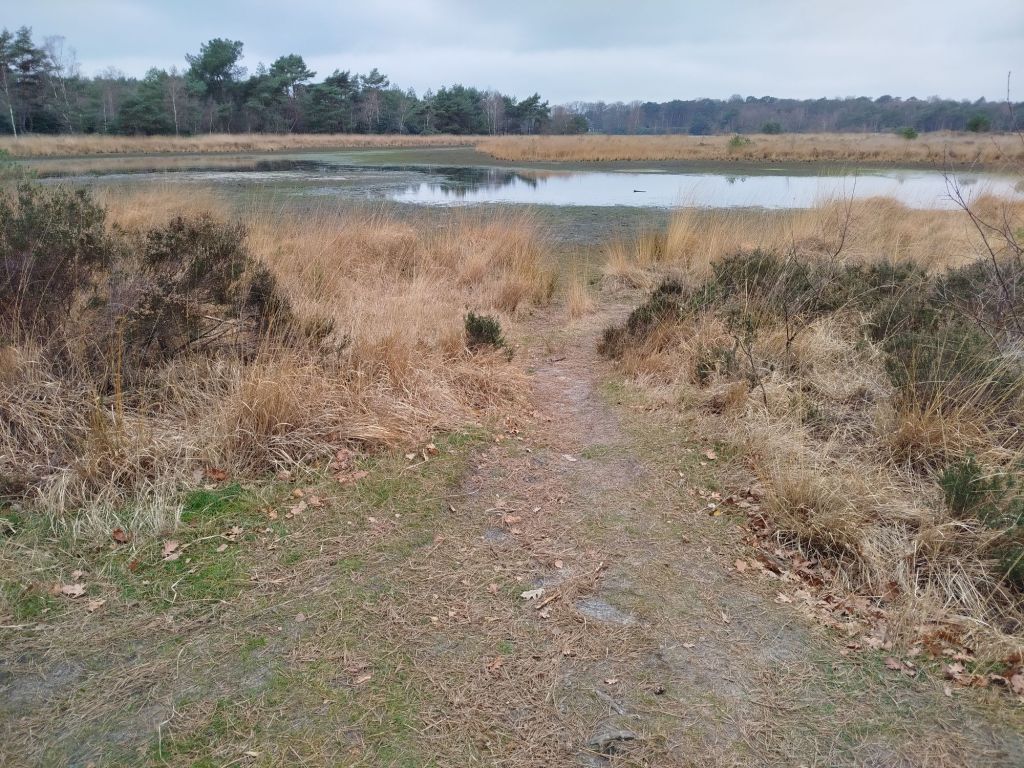


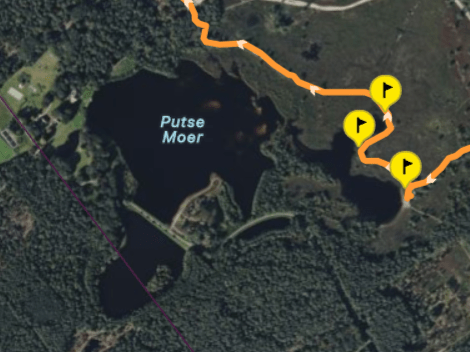
Photos and markers are chronological. I did not take any photos of the largest part of the fen which was too far to notice change in water levels.
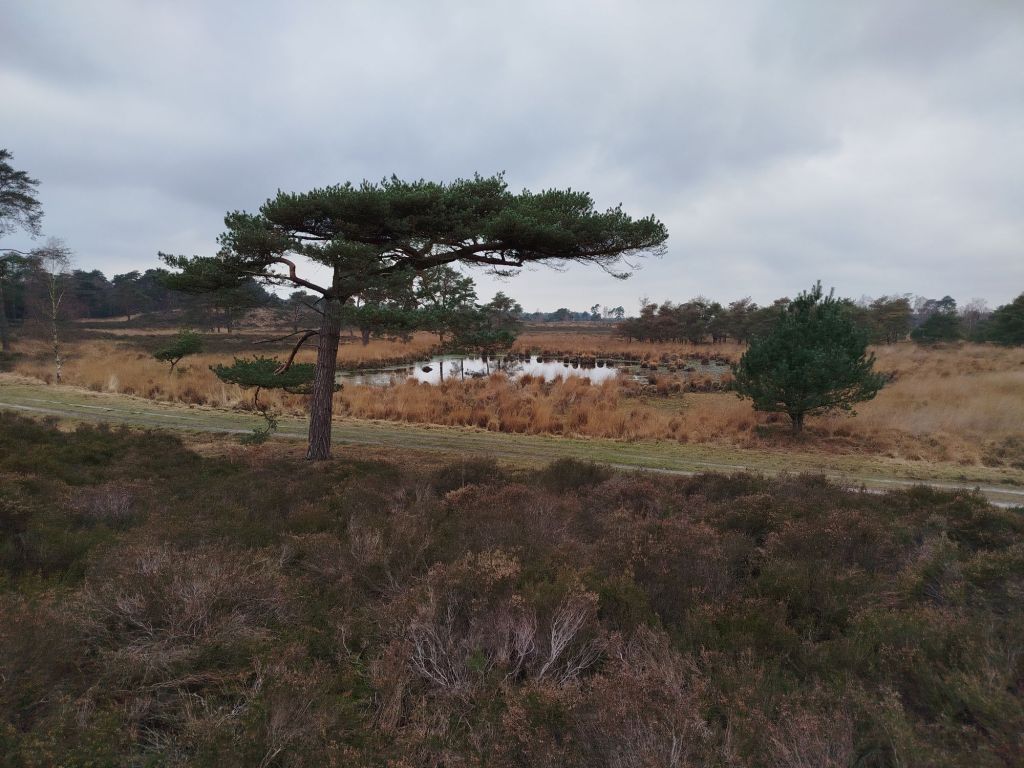
Surprisingly this fen is not named. It may however be part of nearby Kriekelaarsven (bird-cherry fen). The unnamed one has certainly outdone the named neighbor.
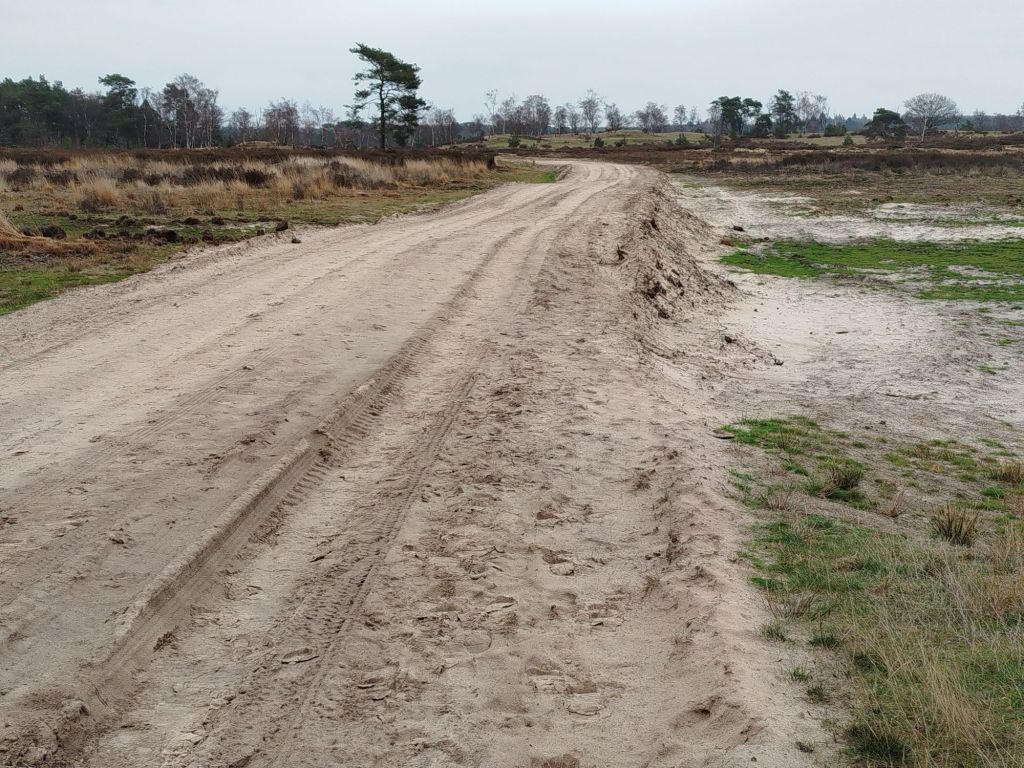
Sixth on the list, Langeven (Long Fen) has been a headache for the park. Paths were actually closed due to flooding. Ironically, as the water level in the pic below, the fen is empty but the path had been raised almost three feet (1m). Also, recent works have destroyed it once more.

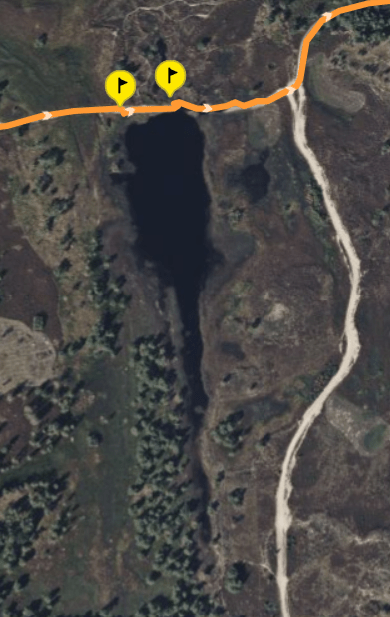
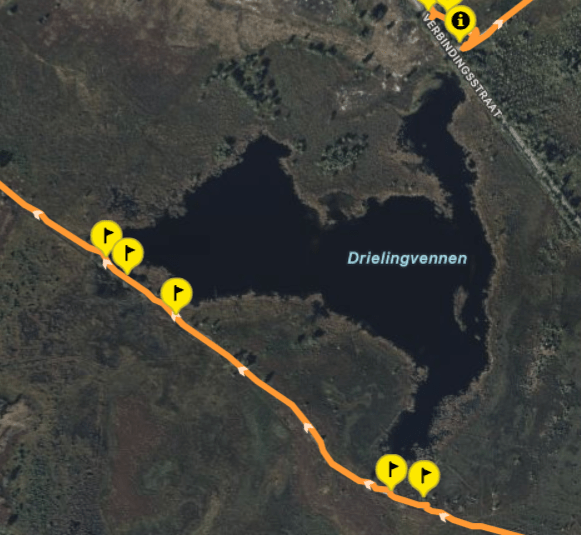
Last one is Triplet Fens (Drielingvennen) and self-explanatory. Locally it may be referred to as Little Moor (Klein Moerken). One can only assume it has become more than triplet due to drought.
As one photo indicates the fen is cut off by a connecting road. It is however only accessible for emergency/authorized vehicles and non-motorized vehicles.
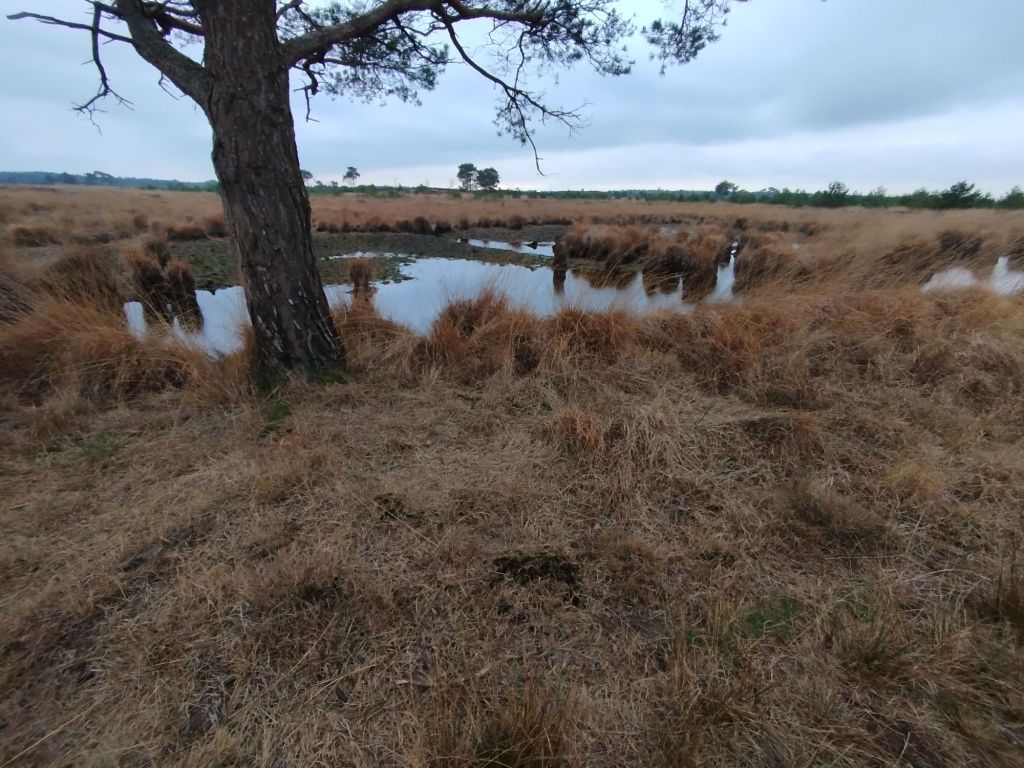


And to finish the circle, once more some photos from Stappersven from another perspective.

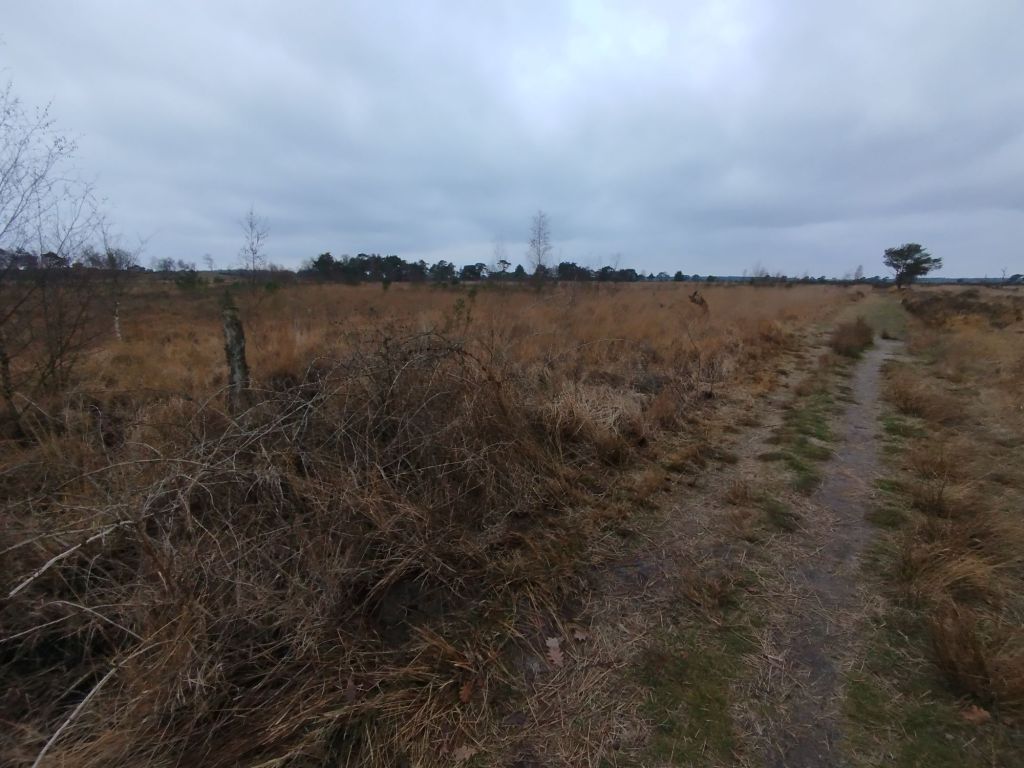
In between the fens, these are the views to be expected:

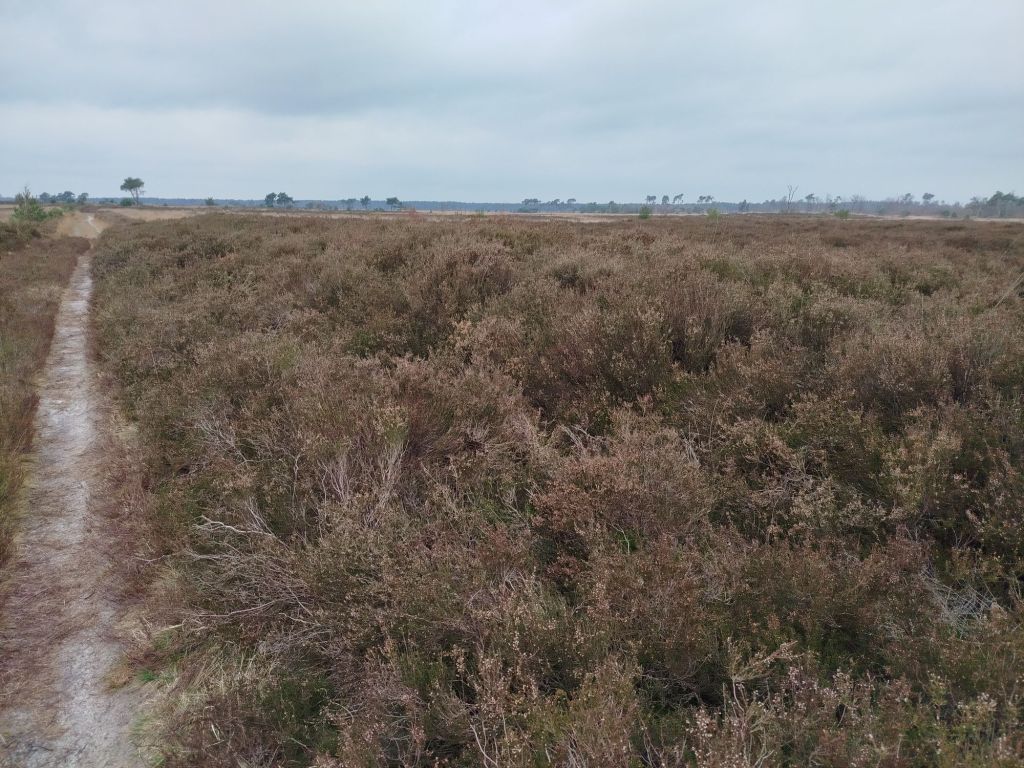
The hike was about 8mi (13,6km) and done on 12/12/2025 (luckily I do not have to specify the date).
Additional info: https://grensparkkalmthoutseheide.com/en/nature-and-landscape/Additional hike info (and photos): https://nl.wikiloc.com/routes-wandelen/kalmthoutse-vennenwandeling-243485601
-
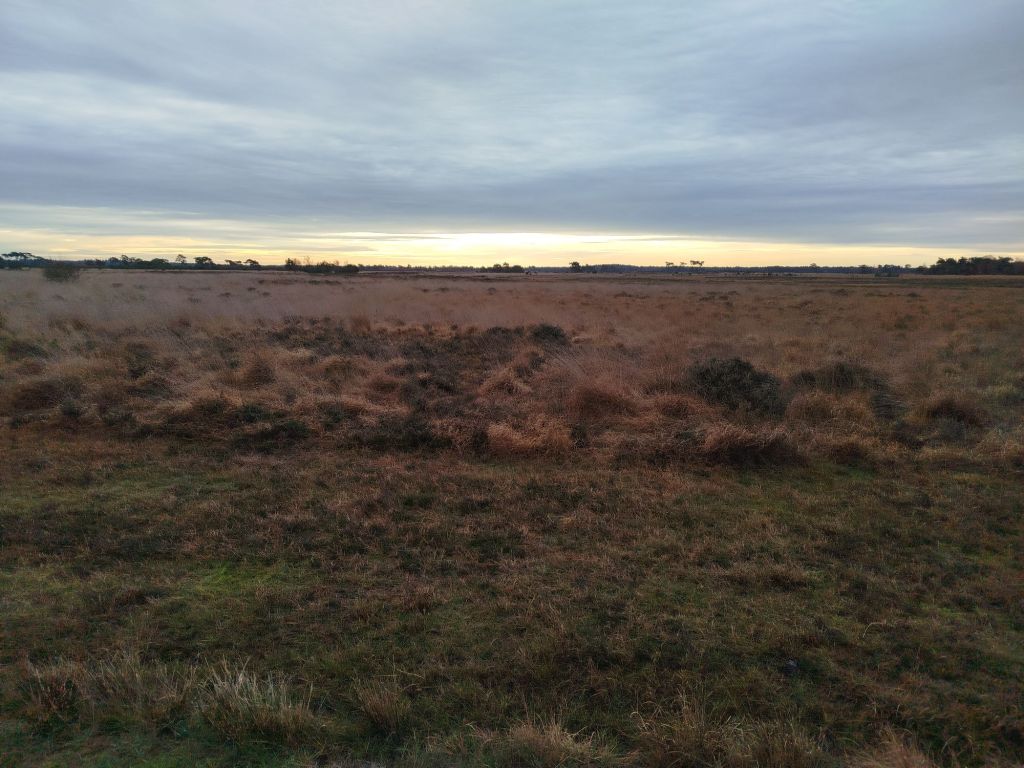
Exploring the Dry Fens: A December Hiking Adventure
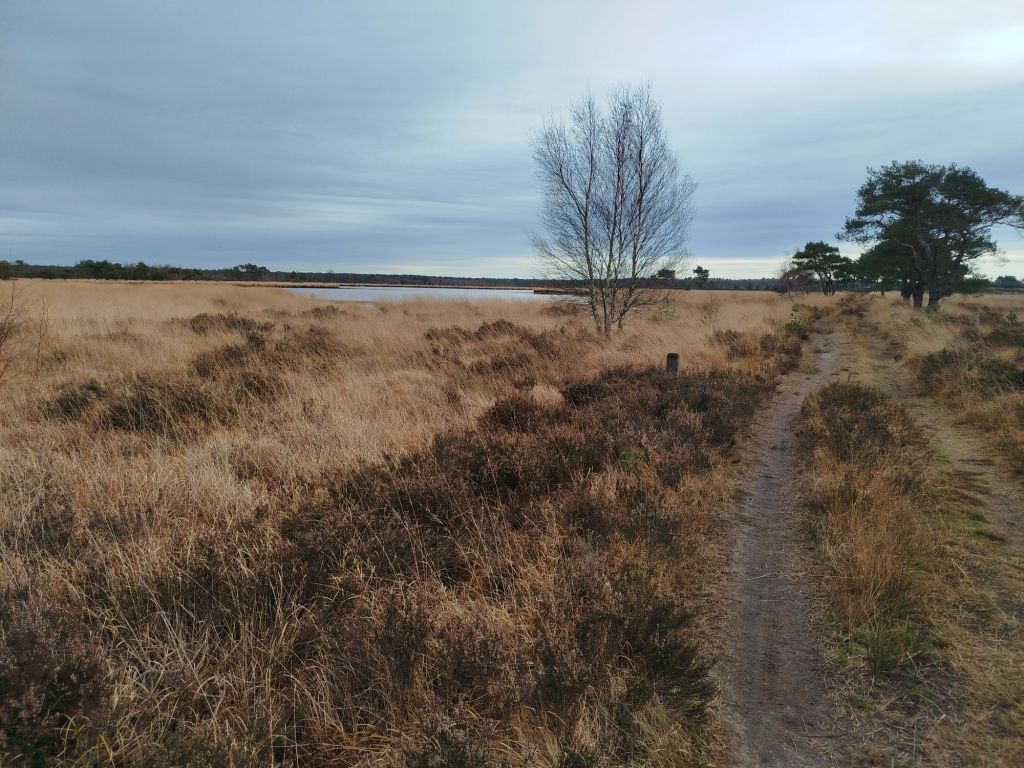
Early to half December and I was hiking in a shirt. The fens were about as dry as during high summer. Groundwater levels still need plenty of rainfall.
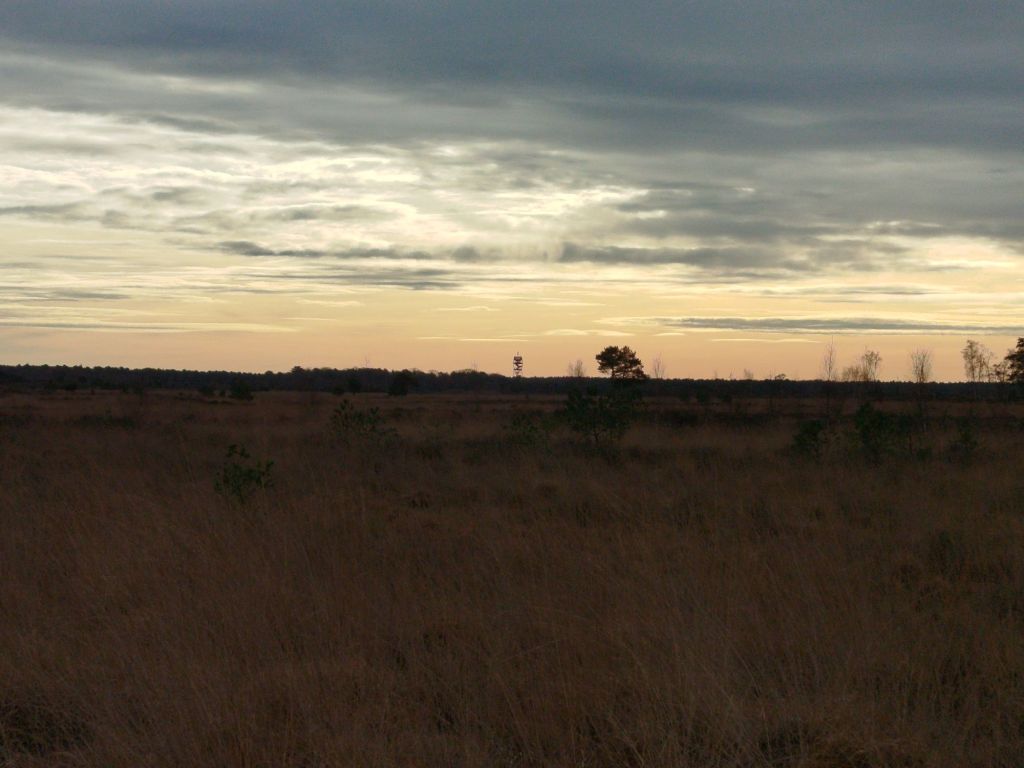
The construction in the center is an observation post (locally known as fire tower). At almost 140ft high two platforms (40 and 80ft) are open for public. The top floor is reserved for volunteer observers and equipment. Earlier this year cameras have been installed with AI to detect wildfires at the earliest stages as far as 20mi away.


Can you tell Vincent van Gogh was from this area? Or is it my imagination linking the Dutch painter to this natural phenomenon. If Vinny was still around it might even be attributed to him. Like Banksy’s being created overnight. Surely pumpkin spice is not that popular in the Lowlands, is it?
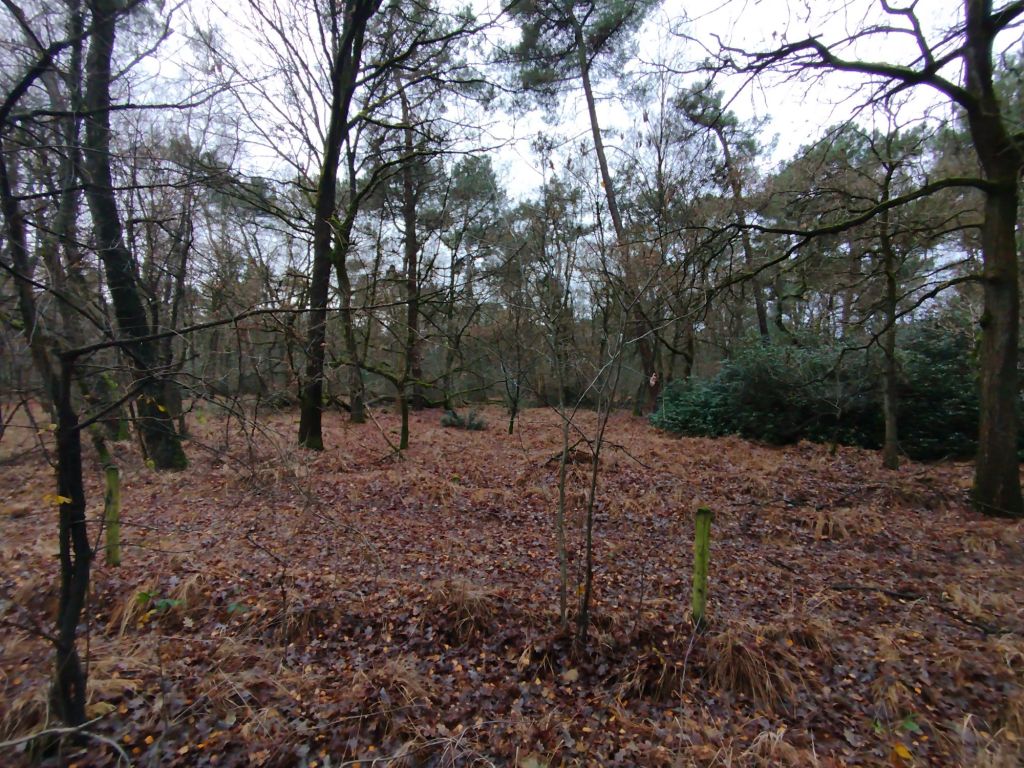
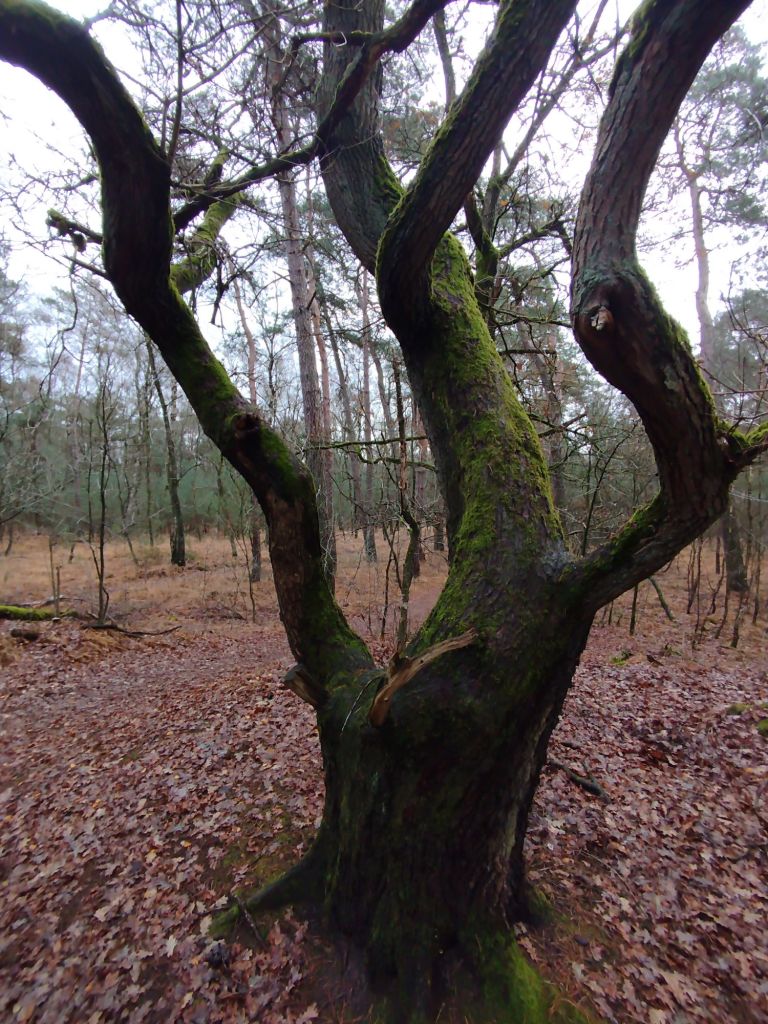
I walked a portion of the border. These old, stone border markers are still present.
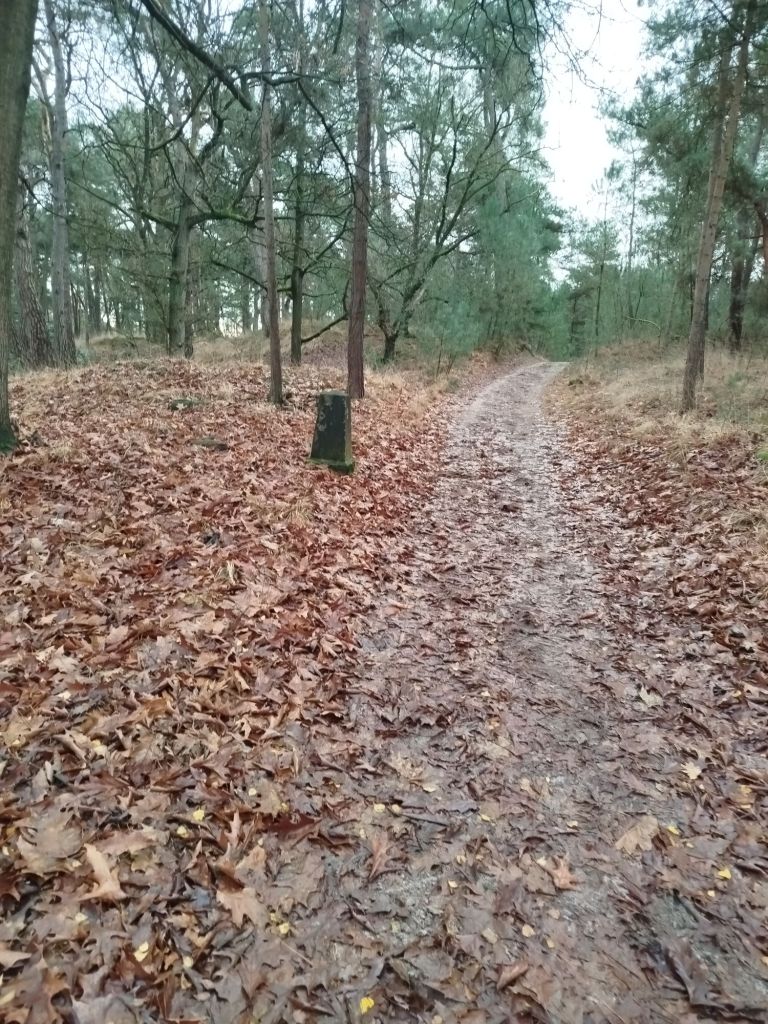
The newer ones are painted black and white and have a date (1843) and number on them. This path was probably created by border patrol. On some sections left and right aligned with barbwire (some are either private property, hunting grounds or to protect vulnerable areas). Obviously smugglers would not “walk the line”. In order to preserve nature, walking the pathways is mandatory. If you desire to rebel, have the balls to punch up, not down!
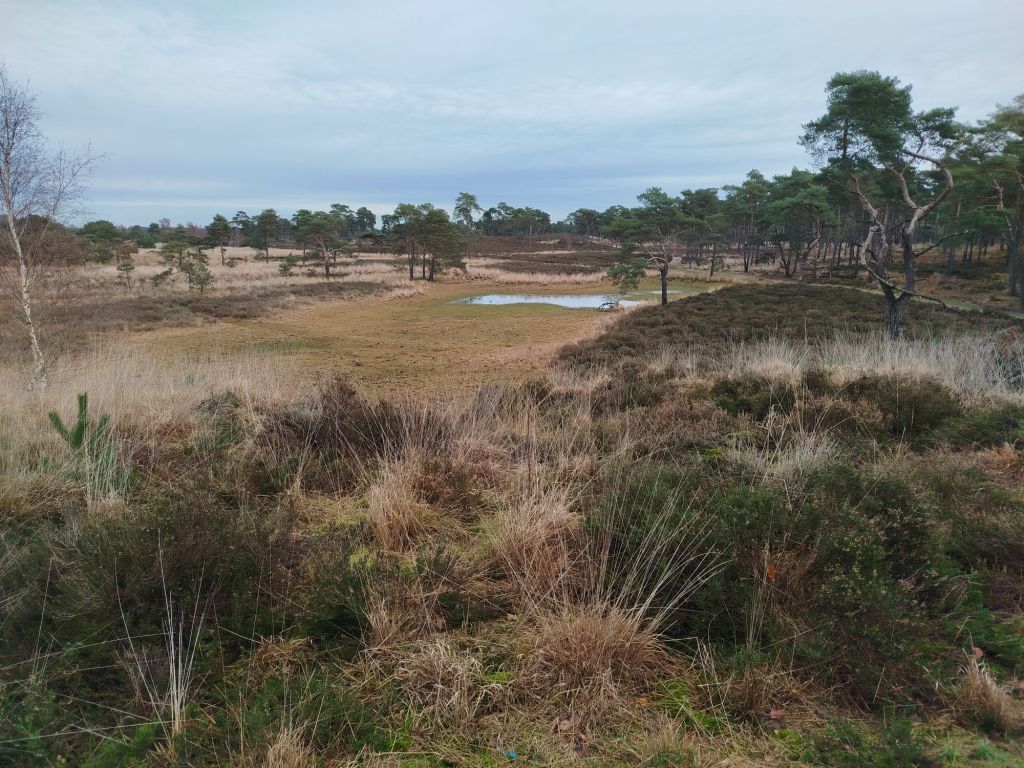
This specific fen (Kriekelaarsven – Bird-Cherry Fen) used to be much larger.


Tomorrow I plan to hike the three largest fens in the park to document the water levels. Stappersven, almost identical in English so I assume you can deduce, is the largest and on my last visit, you could walk about 30ft from the shoreline without getting wet feet. The other, Putse Moer (Marsh of Putte, which is a place name) was partly dried up. The third is Drielingvennen/ Klein Moerken which translates as Triplet Fens or Small Marshy. It consists of three separate fens that often become one large fen.
-
Exploring Heritage: A Look at Nationalism and Identity
Nationalism, patriotism and a whole bunch of other -isms. I am baffled as to why people feel the need to point out they have x% Viking ancestry… Or that their great-great-grandparents were German.
If you have ever dared to look closely at your country’s history, what were you told and what did you find out?
I am intrigued as to why people believe heritage (a rather one sighted version though) is so important.Did humanity not begin in Africa? Do you claim African heritage?
From then onward it depends on what sources you consult. The general consensus will announce first civilizations in the Fertile Crescent of the Levant. People started farming and hence had to settle. Do you claim Mesopotamian/Western Asian heritage?
Makes one wonder how humanity’s cradle and the birth place of our first civilization are nowadays regarded as uncivilized and savage regions. Funny how losing one’s pigmentation changes things.
It takes quite a few generations to lose pigmentation. In regions with fewer sunlight, skin tone adapts in order to absorb the sunshine vitamin.
The first settlement in mainland Europe was in Crete, the Minoan civilization (Knossos). Then mainland Greece had the Mycenaean civilization followed by the Celtic civilization. Only then the Roman empire popped up. Some people would only recognize the Greeks and/or Romans as first civilizations as if the former were uncivilized. Fits right in the European mindset that only themselves were civilized and everyone else Barbarians. Apparently in Greek blah blah blah translated as “bar bar bar”. Perhaps that is why the Greek tourist spots always sport a Bar Street. Romans took over the term. Initially it just meant, one that does not speak Greek. The Romans adjusted the term to anyone perceived non-civilized or non-Romans. Later even evolving from lack of refinement to primitive to outright violent behavior.
Funny how some people will claim Roman or Greek heritage (I am referring to people without Italian or Greek ancestry). Is that the reason why they need to label their “opponent” (or those not sharing their views) as barbaric?When the Roman era came to an end, many tribes were ready to took over. Welcome Dark Ages. At some stage European royalty wore wigs and plenty of perfume to hide their fear of water. Fascinatingly the Islamic Golden Age helped Europe literally into their Renaissance.
And still there seems no love lost and Europe does not value the region. Sure, Europe excelled, but was it advantageous for humankind? Colonialism, exploitation, imperialism, slavery,…
Since Europe got rich, they found some land ‘down under’ to dispose ‘their criminals’, well, even hungry English children were imprisoned. After looking for a shortcut to Asian spice markets ‘a new world’ was discovered. The indigenous people of both continents were most probably not amused. After WW2 Europe even offered some territory to a people they disliked and a third case of displacements, slaughter, colonialism and apartheid happened. All in name of civilization? Sounds more like wanting influence, control.
Anyways, in Europe it was no paradise either for the people. A few certainly got filthy rich. And christianity made sure to take their share (and even more). In feudal times the foundations were laid for capitalism. Nobility and royalty controlled the land. then quarreled and the villagers became soldiers. Afterwards the borders were redrawn and life continued as nothing happened. Sort of…
In a previous blog I wrote that Jutes and Anglii (from current Denmark) and Saxons (Germany) moved to England. The Anglii gave their name to the land and the language. The Franks, that gave their name to the country of France, came from the Rhine region, yes, Germany.
So, the people now calling themselves French, do they claim German heritage?
Everyone speaking English or English nationality, do they claim German or Danish heritage?
I realize the heritage thing is mostly American. All of the above is just to point out where to draw the line.
Perhaps it’s worth mentioning that the x% African and x% Mesopotamian are the most important of all. But I imagine those are blatantly ignored. Not?
Are we human or are we looking to create more minorities to oppress, bully, exploit, etc?
So, What ancestry do you claim?
-

Explore Train Hikes in Belgium and the Netherlands
- What are the perks of having organized public transport? Being able to travel anywhere you want without needing a car. Not to mention durability, nature friendly and healthy.
- In the Netherlands and Belgium (but also France, Switzerland, Germany, Luxembourg and UK) hikers can organize a train hike. You travel by train to a destination and walk to another train station. Usually these hikes vary between 10 and 20mi.
Railway history of Belgium
Belgium was heavily involved in the early development of railway transport. Why?
Well, Belgium had one of the most industrialized regions on continental Europe, Wallonia* (mines and quarries) and, perhaps even more influential, Belgian’s first king Leopold was Queen Victoria’s uncle (same royal house of Saxe-Coburg-Saalfeld). England obviously led the industrial revolution.
Since Belgium got its independence from the Netherlands in 1830, and if you have read some of my hiking adventures, you may have noticed that Belgian border markers bearing the year 1843 on them, you may notice they were not so much on speaking terms.
Well, the Netherlands’ port of Rotterdam and Belgian’s port of Antwerp, still number one and two of Europe, needed transportation routes. Line 12 opened in June 1854 from Antwerp Central Station (iconic station was only built about fifty years later though) to Lage Zwaluwe, where the train boarded a ferry boat to Rotterdam.Train hikes origins
Since the railway network is so extensive, it has been an easy mode of transportation. At least every hour you can expect a train in both directions. Train stations (at least in Belgium and the Netherlands) are on average about 6miles apart and often less. Besides trains, cities do have trams/metro lines and rural areas even have frequent bus service. In the Netherlands you will hear about OV stappers (OV as in public transport). You can easily travel to any destination nearby parks, trails, etc.
According to my AI search, 82% of Belgians live within a 3.1mi from a train station. Fairly easy to walk, cycle or even drive to a station to commute. In the Netherlands 2/3rd live within the same radius. The Netherlands have more areas that are (not more car-centric) but were never on “important” trade routes.
The first registered train hike is remembered as “Walking the Line” on 1 May 1861 to inspect the railway line from London to Brighton (54mi). Not sure if Johnny Cash knew about this event.
In Belgium the first train hike was organized to inspect the progress of the construction on the first railway line between Brussels and Mechelen (11mi) in 1835. The Netherlands had the Haarlemmerlijn (12mi) in 1839.
Obviously people walked much more then and travel was reserved for the wealthy. Also, these walks were performed by railway employees (engineers and inspectors) to guarantee safety. For the common people these hikes helped to accept trains and make people aware of the new technology. Imagine people complaining about safety and dangerous speed of trains going at 25mi/h.Evidently walking was the main (if not the only) option for most people to get from point A to point B. These first registered train hikes were part of the job for engineers and train personnel.
Train hikes became hugely popular during the pandemic.
Best train hikes
De gustibus non est disputandum (you cannot argue about taste), sure, especially since most train stations are located in town and city centers. I rather hike surrounded by trees, heather, dunes, you get the idea than surrounded by bricks and people. I can however appreciate old city centers. And by old, I mean medieval, whenever it gets to industrial revolution times, I lose interest. So basically, I travel to small towns or medium cities and venture out into nature asap.
I do realize people being interested in architecture, statues, food and culture. There are train hikes to satisfy their every need. So be careful when blindly choosing a train hike. I did once walk the only city GR in Flanders in Antwerp. Starting in train station Antwerp-Berchem (about 15mi). The hike focuses on the green areas in the city but it cannot compete with the real deal (rural train hikes).
Links and further info
Public transport hikes Netherlands: https://www.wandelnet.nl/ov-stappers OR https://www.wandelnet.nl/ns-wandelingen
Belgian train hikes: https://www.groteroutepaden.be/en/walking/gr-routes/from-station-to-station
Also books have been published but I am afraid not translated into English.
* Did you know Wallonia is now considered the poorest part of Belgium? The region is also responsible for uranium used in the atomic bombs dropped on Hiroshima and Nagasaki. They knew it might one day be “valuable” and hence stored it. Another source of uranium are mines in the former Belgian colony of Congo. Since Congo only became independent in 1960, the uranium undoubtedly made some Belgians rich.
Also, if you fly into Belgium and opt for “Brussels South airport” you will land in Charleroi, nicknamed “La Ville Noire” (The Black City) for its history in coal mining and pollution. Charleroi is 42 miles south of Brussels. -
Fall or Autumn? A hike, a walk, a stroll,… or just look at the lovely photos

Rustling leaves, a bird in the distance, some raindrops (I hope it was rain though), all lovely sounds ruined by random thoughts. Trying to forget world politics and their attempt to destroy it all.
Quite interesting how the English language uses both the Germanic and Romance root words autumn and fall. Whilst in Dutch and German we use fall only as a verb. For the season Germanic languages use ‘herfst’ or ‘herbst’, yes, it is related to the English ‘harvest’.
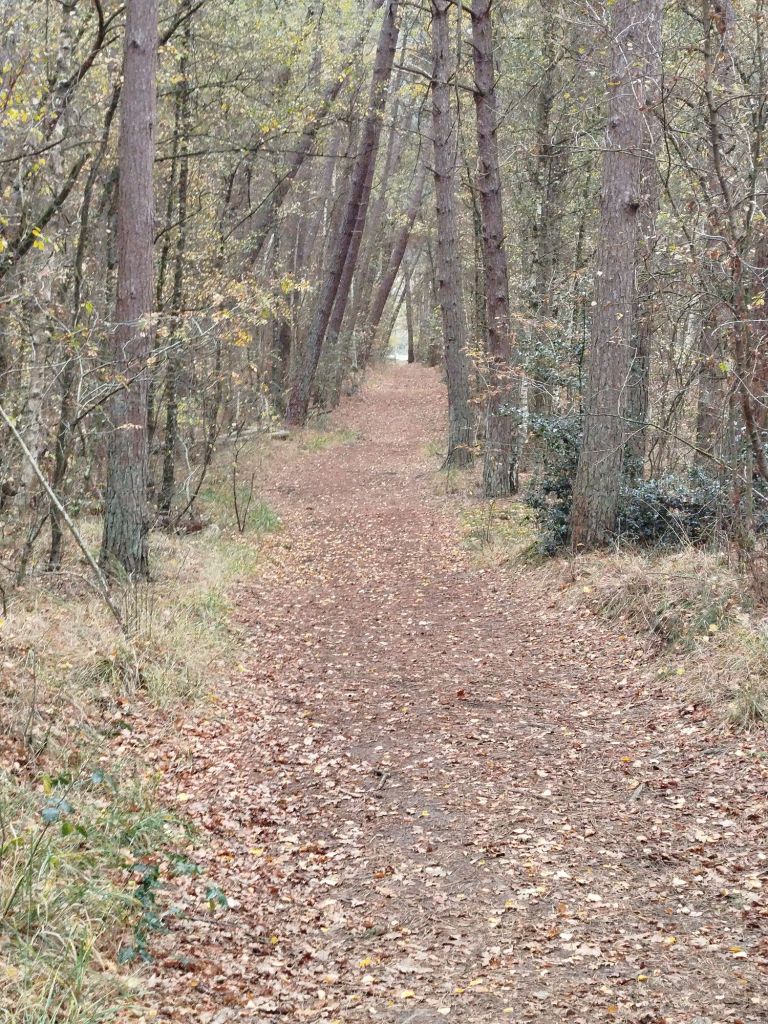
On my bike trip over to my hiking destination I heard the X-Files theme. That certainly triggered an extensive thought that kept me busy for most of my walk. Basically it made me wonder how many things were once misinterpreted as it was regarded from modern, Western POV. You certainly remember the cave wall paintings that might be construed as ufo’s. I was googling the pic but was dumbfounded by the sheer amount of fake images. What certain people now see as ufo’s, perhaps when fireworks were invented they thought the murals were fireworks too.
Anyways, what I meant to say is that humanity always wanted to understand their surroundings. Or better, explain in such a way they could grasp what is going on. No surprise first humans had nature religions and many deities. Then monotheism wrote a script and appropriated many of the pagan aspects.
Since we still do not understand the world, earth, climate etc fully yet, we still try to give it a reason. Have we progressed enough not to label force of nature as a punishment of an invisible man in the sky? We do seem to understand we have been causing most of the problems arising, most of us anyways. Some people, especially in high positions hear money talk louder than the force of nature. Oh certainly, earth has been going through many of these stages. I am not so much worried for earth itself, but humanity. Is there still humanity though?
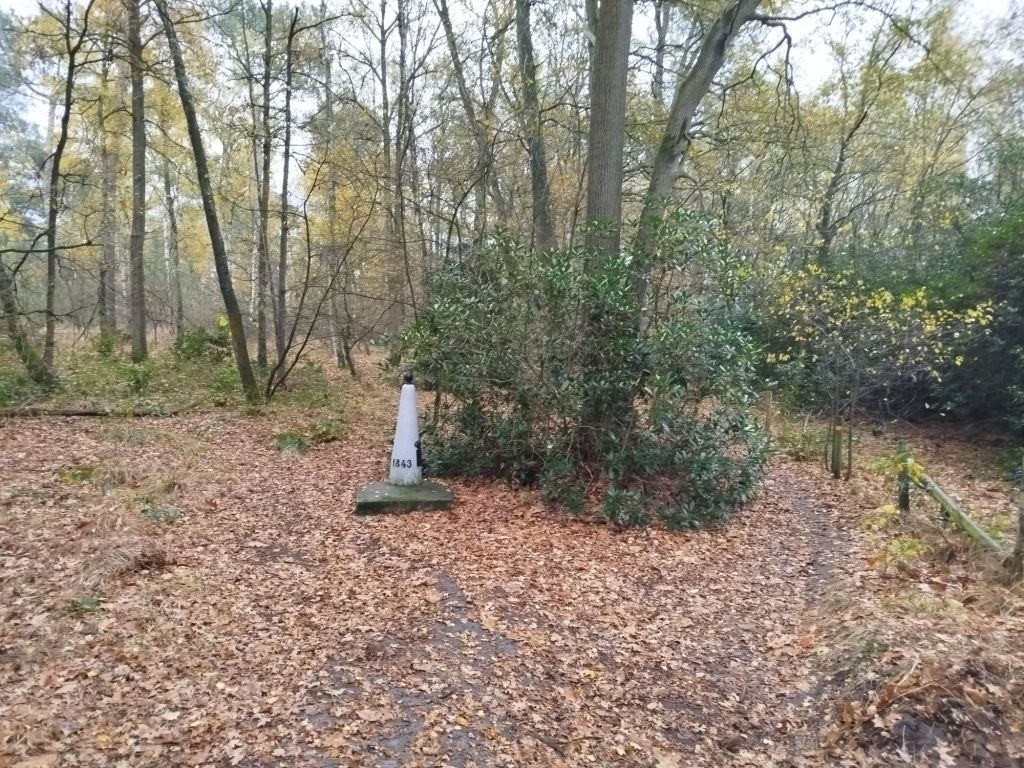
Today’s walk would have been torture for cell reception ten years ago when roaming was still ‘a thing’ (and costly). The unidentified object on the pic above is a boundary marker. Yes, Belgium became independent in 1830 but it was only 13y later they figured out (political, juridical, territorial, etc) how to draw the border (when you see the border you will understand why it took that long; have you ever heard of Baarle?), hence the year 1843. Our history, as Belgium, is quite recent. Perhaps that is why (still) not many identify as Belgian.


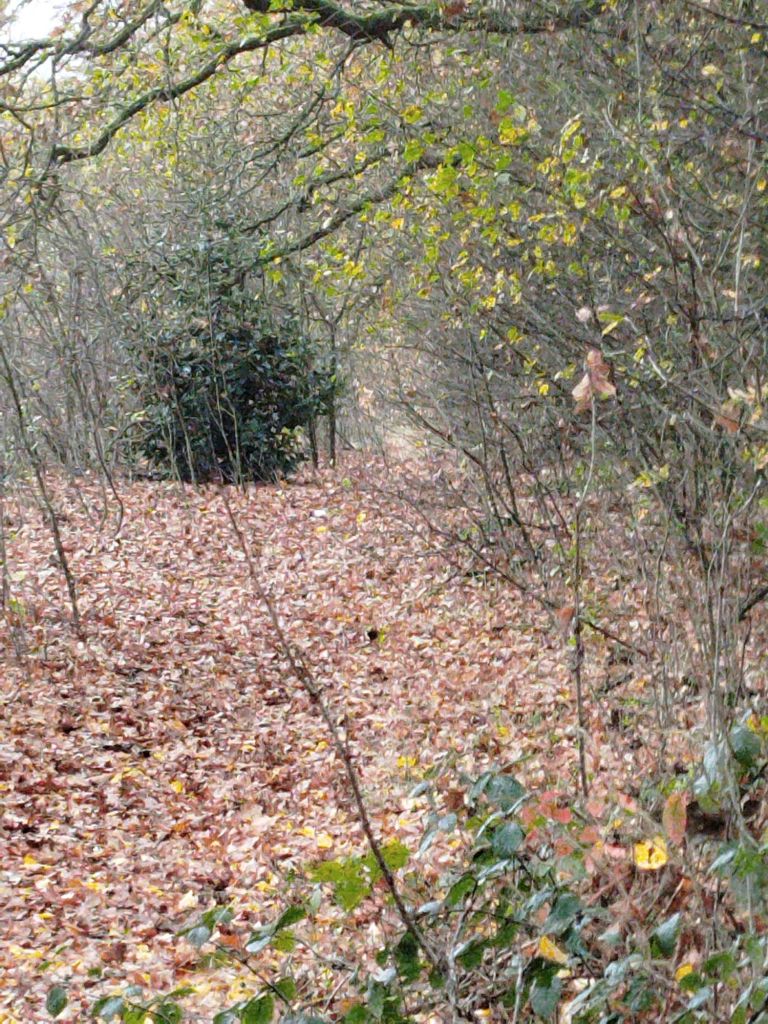

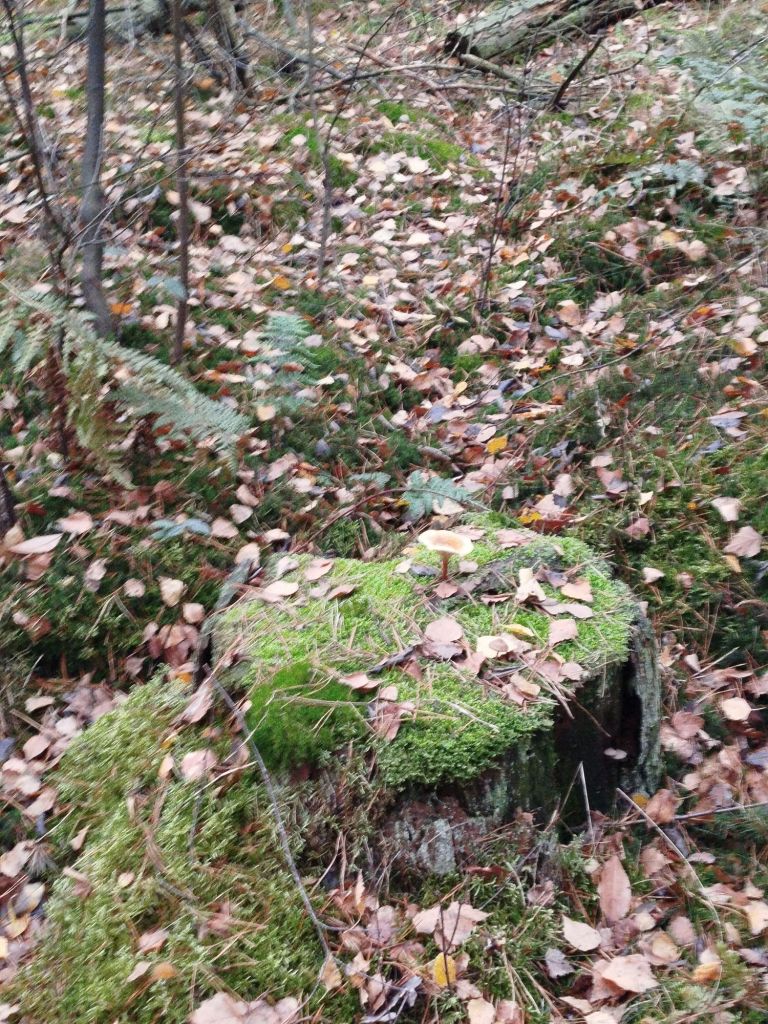
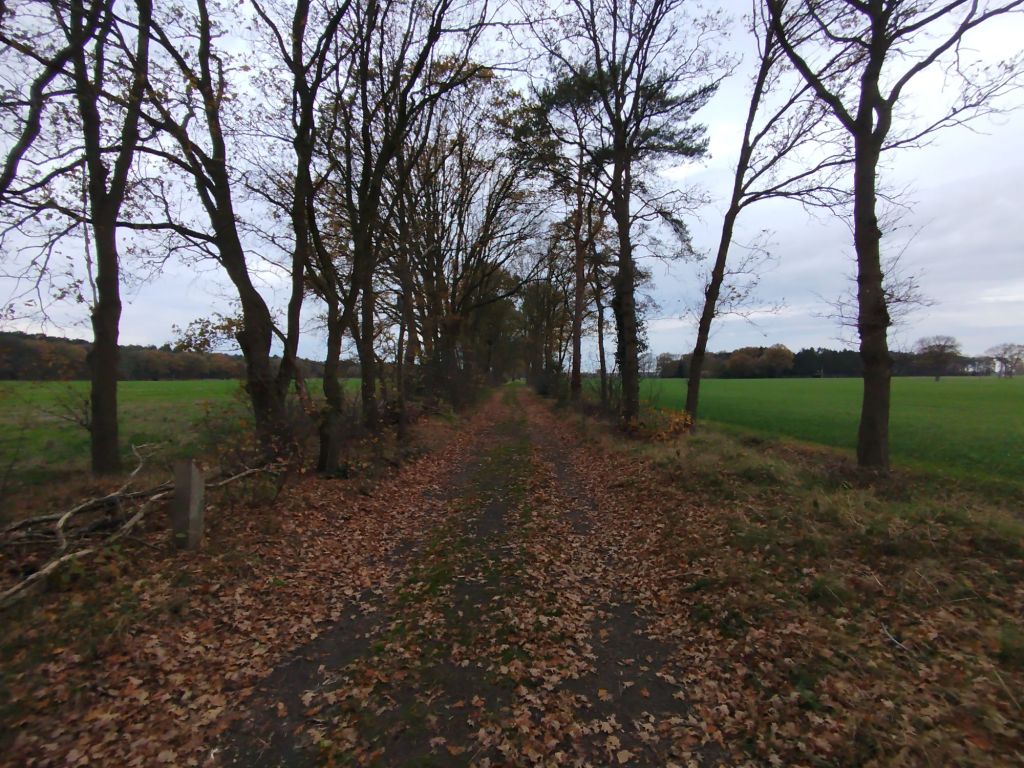
Funny how heather and heathen is also linked. In Dutch we call it ‘heide’ en ‘heidene’, however a slightly different pronunciation of the same word. The English language is a mystery when heathen and thief are the same sounds in Dutch written as “ie”. Like the Dutch ‘dier’ (animal) that is still in use in English deer. The Dutch “ei” sound does not exist in English (as far as I am aware). Closest sound is “eye” or “bay”. Perhaps most English do know how the pronounce the German “ein”, which is closer to the Dutch “ei”. Fascinating how the Germanic language went through vowel changes. Not only vowels though since b, p and f’s got swapped and even the English ‘th’ is just a “d” in Dutch or “t” in German.

Last photo of the day was a magic trick, a trompe l’oeil. A floating birch caught my attention. No, it was not stuck in the barbwire but high up in other trees.

It was one of those occasions when you see something weird but don’t understand at once. It cannot levitate, right?
Many synonyms exist for a walk. In Dutch we most often use the word the English use as wanderer, ‘wandelen’. In Dutch we also have a plethora of synonyms. One both of use is to step or ‘stappen’.
Well, I just wanted to show off the photos. If you stayed and read my rambles, kudos (Greek)!
-
Hiking Through Belgium: Nature and History Combined (Lier, Duffel, Boom)
In preparation of multiple day hiking trips I boarded a train. In the Lowlands we have a concept ‘treinstapper’, take the train to a certain destination, hike wherever you like (mainly parks and greenways – we call them “slow roads” as motorized vehicles are not allowed) and take the train back home. The word ‘treinstapper’ is self-explanatory since the Dutch language loaned ‘trein’ from English and ‘stapper’ entered the English language via Germanic influence.
Train has a fascinating etymology with different meanings over time.

I believe it was my first visit to the Medieval city of Lier. The city is linked to (Belgian) Saint Gummarus. The red figure left of Lier is their nickname: sheep’s heads. If you want to know why, read here.
After military campaigns (and perhaps his wife) he had enough of humanity, I assume. The city grew up around his hermitage. Stories, legends, folk tales can be easily found on the www. Duke Henry 1 of Brabant granted Lier city rights in 1212. Thanks to textile industry many regions in the Lowlands boomed in 12th and 13th century. And then the 80 Years’ War happened, I know, a recurring theme and it was a temporary downfall for current Belgium and the Netherlands. Lier bounced back thanks to their cattle market, breweries and textile factories.
In 1580s English a lier-by was a mistress. Also no links to the word lyre (lyrical) derived from Latin Lyra which is also the Roman name given to the city.
A nationally renowned author and poet described Lier as “where three meandering Netes (river) tie a silver knot”. The Big Nete and Small Nete become the (Nether-)Nete.
I barely took any photos in the city as it was their annual November funfair. This one above is also pretty famous, the Zimmer tower with its many dials.

Next port of call is Duffel (yes, you do recognize it, don’t you).
Celtic presence might indicate that the town’s name was given by them, “Dubro” meaning water. Just like Lier, many artefacts were discovered but from times when writing was deemed not important or non-existent. Duffel got immortalized worldwide for the coarse woolen cloth. Or rather thanks to the English language. I don’t see anyone asking for a “duffeljas” (jacket) or duffeltas” (bag) in Dutch shops…
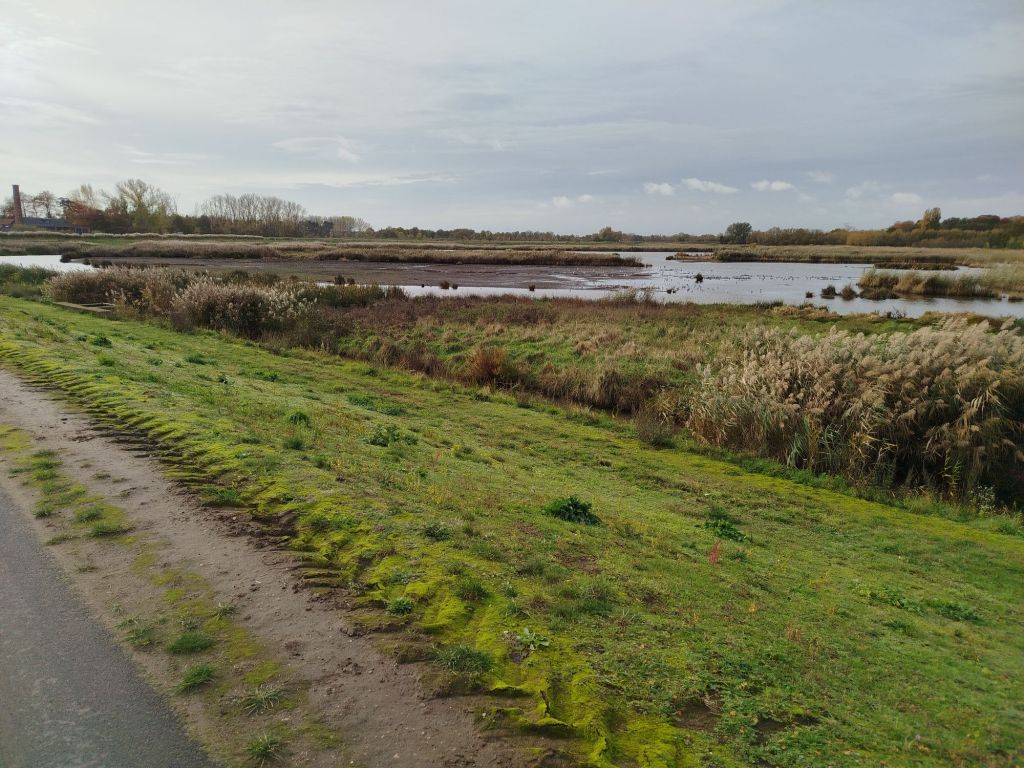

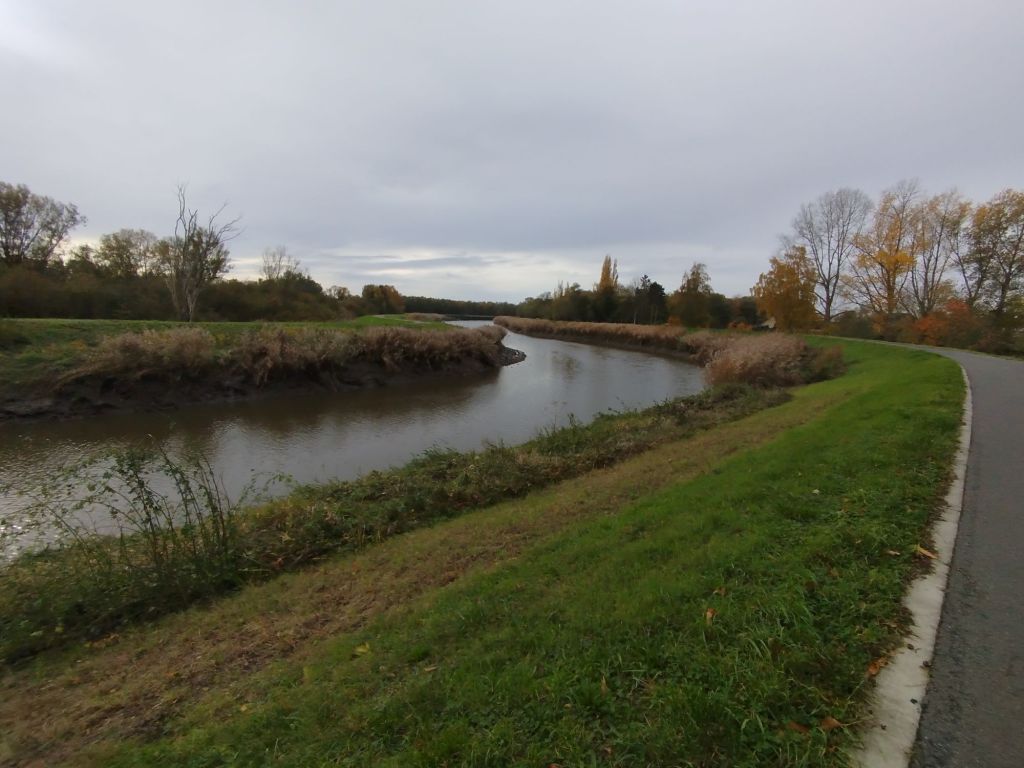
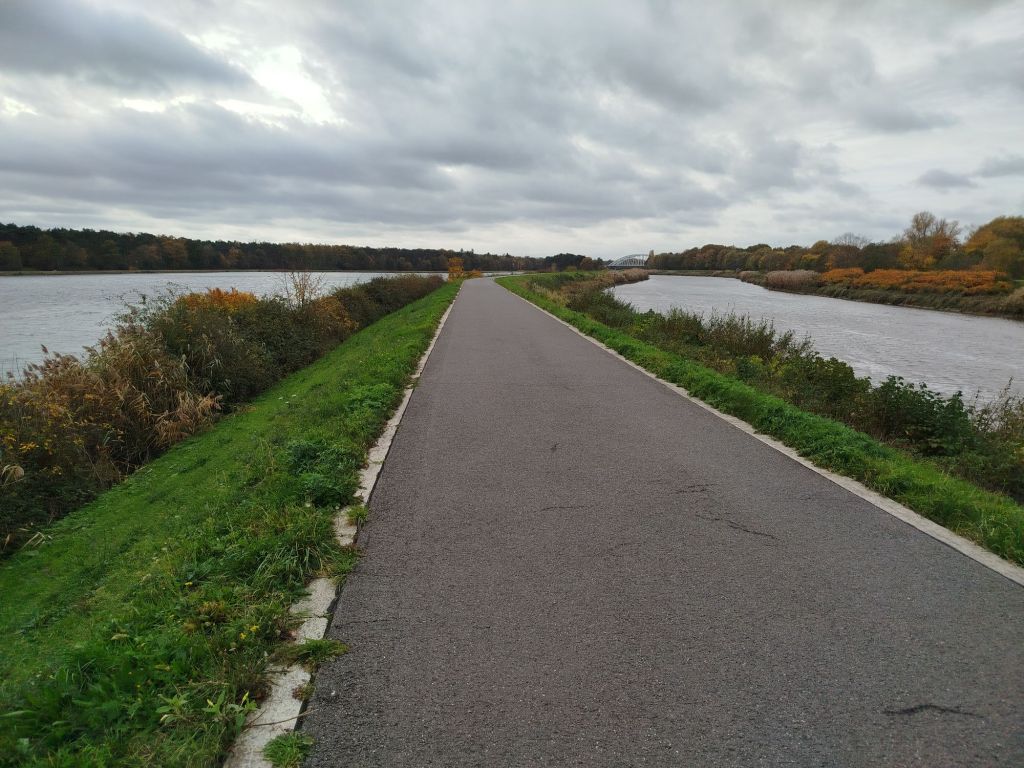
From the textile industry I venture into brickmaker’s territory. Obviously both requiring a continuous flow of water, the latter also needs clay. Does it surprise anyone that many fishing clubs are present? The many claypits have been repurposed as ponds and nature sites. Plenty of efforts were needed since – back in the day – the pits were used to dump all sorts of trash, including asbestos. The soil is still being monitored.
And last in line is Boom. Like Rumst, Boom is famous for its bricks. I have written about Boom here.
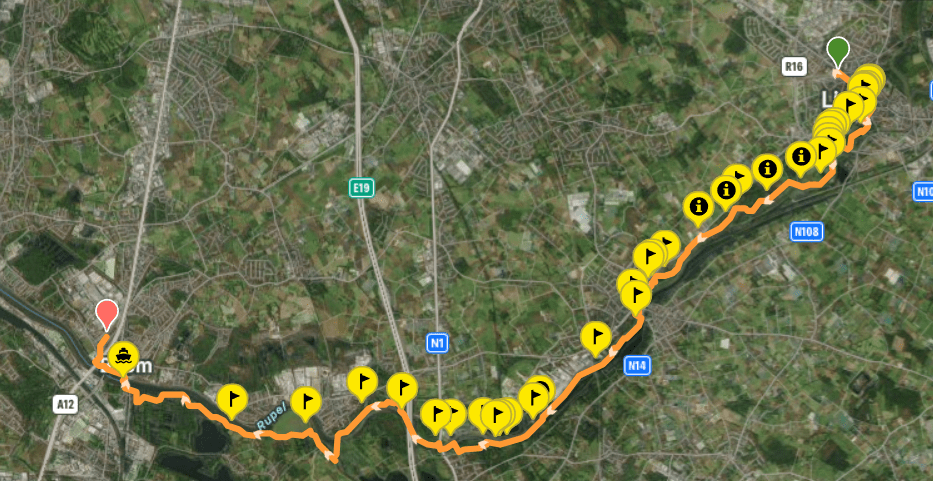
The hike was just over 15.5mi and I ended up crossing the river by ferry boat (notice similarities with the Dutch ‘veerboot’?). No, the verb to veer is from French. In Dutch we have adjusted veder to veer. In English the word transformed to feather. Neither feather nor veering is relevant. Language and its evolution can be rather confusing but it keeps me occupied on the road. The scenery was stunning though and many areas have been re-designated to flood plains.
In Belgium we have a saying: A Belgian is born with a brick in his stomache. Just to say everyone wants to build his or her own house. The brickmaker’s industry requires much less (human) manpower and plenty have found out – the hard way – that you simply cannot build wherever you want. A colorful history mixed with life lessons.
A truly fascinating region wedged between capital Brussels and Europe’s second largest port: Antwerp.
Additional pics and details: https://nl.wikiloc.com/routes-wandelen/ts-lier-duffel-boom-238811576

In case you want to walk the Camino, and opt for Via Brabantica, you will pass by this region (if you choose the original route and not a shortened version).
-
Debating USA’s Official Language: The English Controversy
As of 1st March 2025 the US of A is no longer one of the few countries that operates without an official language. Is the rather symbolic executive order relating to America’s identity? A Forbes article mentions: “America has always relied on practice and practicality rather than statute. English has became [sic, or is this now official US English?] the de facto language of governance, law, and commerce through usage and cultural dominance, not through a mandate.”
Why did it take so long to designate an official national language (if it was not necessary for 249 years)?
Well, does it have to do with their love/hate affair of the English (rule)? Is the Constitution, the oldest and longest-standing (and no, that is not the flex some believe it to be) not based on distancing from English rule (or anything English)?
Funnily the potus has installed the English language as national language earlier this year and coincidentally “no king” protest are popping up? Anyways, I assume it only has to do with satisfying his fan base.So, how come the US-EN and UK-EN differ? Well, languages evolve. In 400 years pronunciation, grammar, vocab, spelling, punctuation, idioms and even formatting of dates and numbers have diverged in mostly minor ways. Although even the smallest of variations always tend to be standing out like a sore thumb.
Does it surprise that the metric system (SI: système international d’unités, no translation necessary, I hope) was first adopted by the French in 1795? The US Congress declared the system lawful in commerce throughout the nation in 1866, the US Army and USMC in 1957. Great Britain only adopted the system in 1965. In 1988 Congress passed the Omnibus Trade and Competitiveness Act (interestingly you won’t find much about “metric system” here). So why are they still holding on to their freedom units?As an intermezzo, may I raise that most of the world nowadays speak or understand English (thank you British Empire, Hollywood, internet, etc)? Fascinatingly Europeans often hear the (rather uneducated) US remark “if we did not help you (in the world wars) you’d be speaking German”. Well, many European languages are Germanic, including, yes, English. Also, most people worldwide are at least bilingual. Then again, why would anyone engage in a discussion with someone this ignorant? I will gladly help and educate the people who are unaware or unknowing; but when someone is repeating propaganda, false claims, blatant lies and just incredulous nonsense even when fact-checked, I just hope they get home safe and get the support (psychological and/or psychiatric) they need.
English being a Germanic language, Nordic (also Germanic though) and French (Latin) did have noticeable influence. Yes, European nations love(d) to conquer, and colonize. European nobility (including royalty) loved to control and marriages were (still are?) business arrangements. I do understand the US Americans dislike towards such activities. Anyone acting like or behaving and believing to be worthier than any other human people is despicable.
Perhaps worth mentioning that most of the financial jargon is of Italian origin, French are responsible for their “cuisine”, art and many other jargon, the Dutch for their naval (military) and water-related terminology, etc. Just as most of the world is using English words for technology, so are the English adopting foreign words for new non-English developments or inventions, etc.
Another item that baffles me is that US Americans are made afraid of certain words and ideologies. Is the rest of the world crazy for being social and communal? I need to be more specific, I guess, it is perfectly fine to be social and communal, but don’t ever use socialism and communism (most people do not even know what they actually mean; and no, it is not what media or politicians want you to believe). And since when is being anti fascist wrong?
Another word is “foreign”. One specific anecdote, many non-US airports have added the Stars&Stripes next to the word “All (other) passports”. Absurd that US citizens cannot fathom to be categorized as “foreign(ers)” such bad connotation the word has nowadays.Not sure why many are scared of foreign influence. Can you guess since when people have been protesting against foreign influences being introduced into English? Aye, not much after the Norman Conquest and later when the French ruled England. English linguistic purism is real.
Has anyone wondered where the name originates from: English? From the Angles that came from… Denmark. It has nothing to do with angels or angles but the tribe Anglii. Basically the tribe were migrants in England. The tribe and language amalgamated, not sure how forceful that unification went though. Then some other events influenced the English language, but now it needs to be protected from foreign influence? I guess we are going back to the Middle Ages…
I don’t really like ‘what if’s but there are many examples of how English would sound like or how English would be spoken if:
How We’d Talk if the English had Won in 1066 by David Cowley, or without French/Latin or Norman influence…
Please do take a moment to watch this:
So, if you want to build a wall around your language (no pun intended) you will overprotect it and perhaps shield it from fun new advancements, think food, entertainment, etc. Is it not interesting that you regard your language as standard and normal. When you swap the French influenced words by Anglo-Saxon alternatives it may sound ancient or plain wrong.
On the other hand I was surprised Dutch mainly uses English computer jargon. How surprised are you if I explain that the English words computer, process, etc are of Latin origin? Another fun fact, the French don’t use computer but ‘ordinateur’, it organizes or orders. Since the French use the Latin “computare” as compter meaning to count or add up. Initially a computer was designed to calculate but soon was capable of more. And when computer and calculator are deemed to similar a philologist (and Latinist Jacques Perret) was consulted to “invent” a new word.
It is easy to become lost in translation when you borrow foreign words and the definition slightly changes over time, or become inadequate to fully describe the object or situation.
Just a disclaimer that I do not watch US news religiously. I do not like soaps however entertaining they may be.
Also, I have lived in Belfast and Dublin, hence I do make a distinction between England, Britain and UK.
 Celtic Belgae