
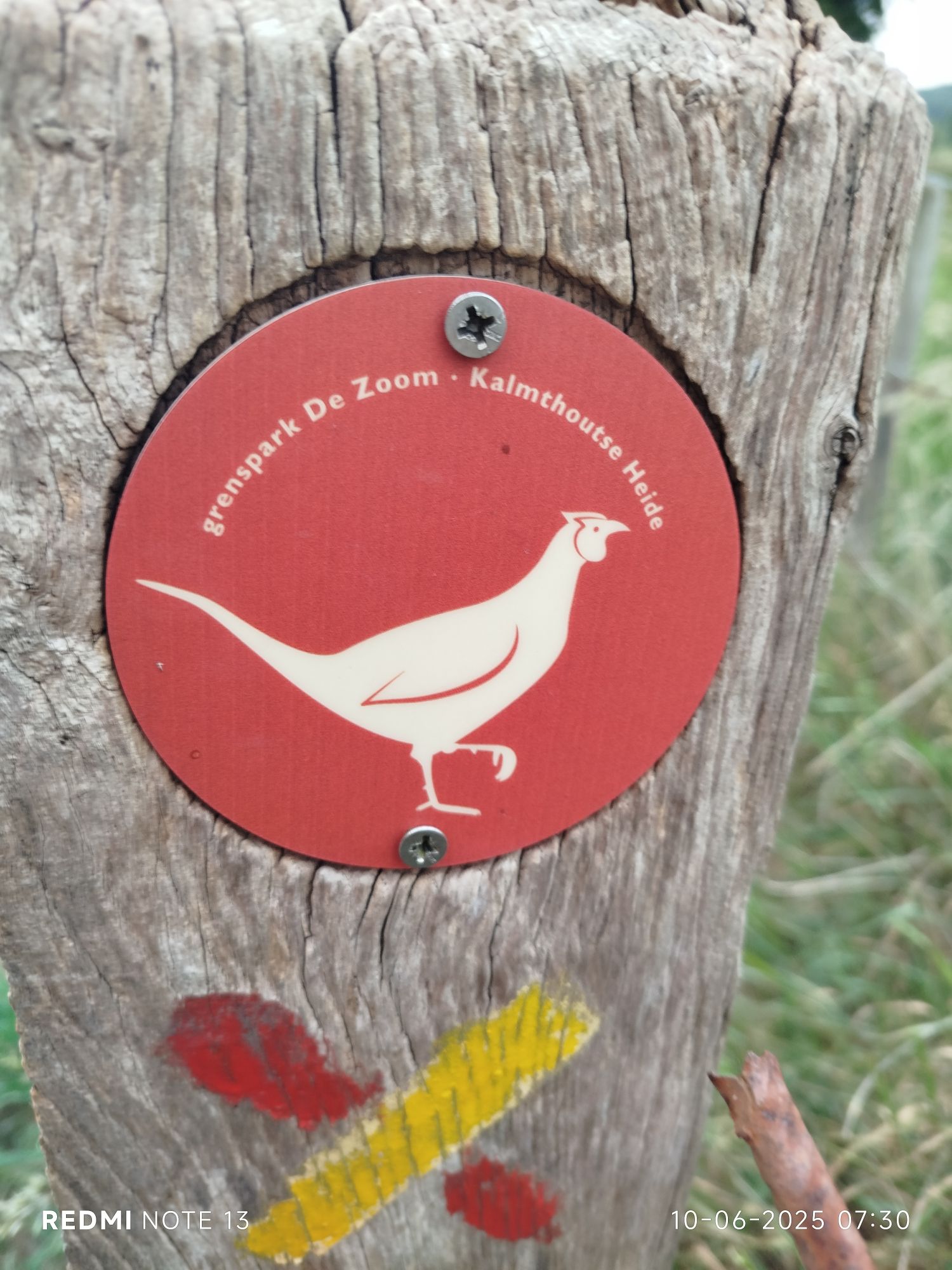
Pheasant waymark 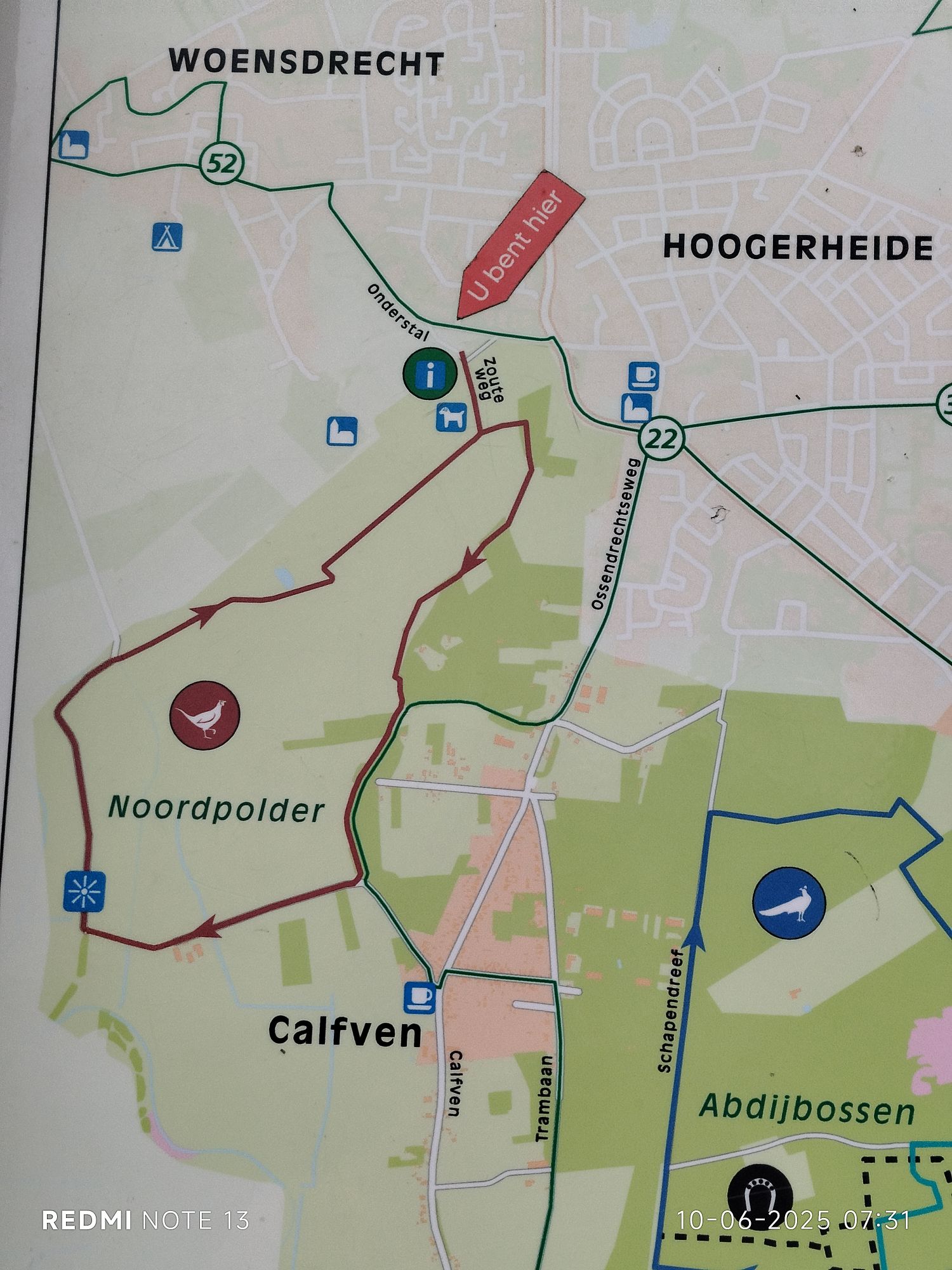
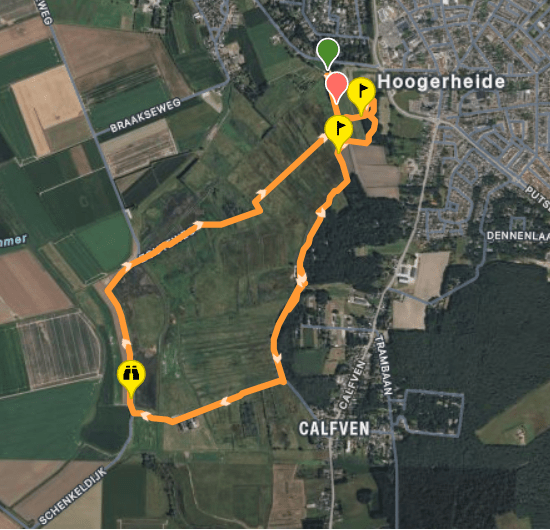
Trail details 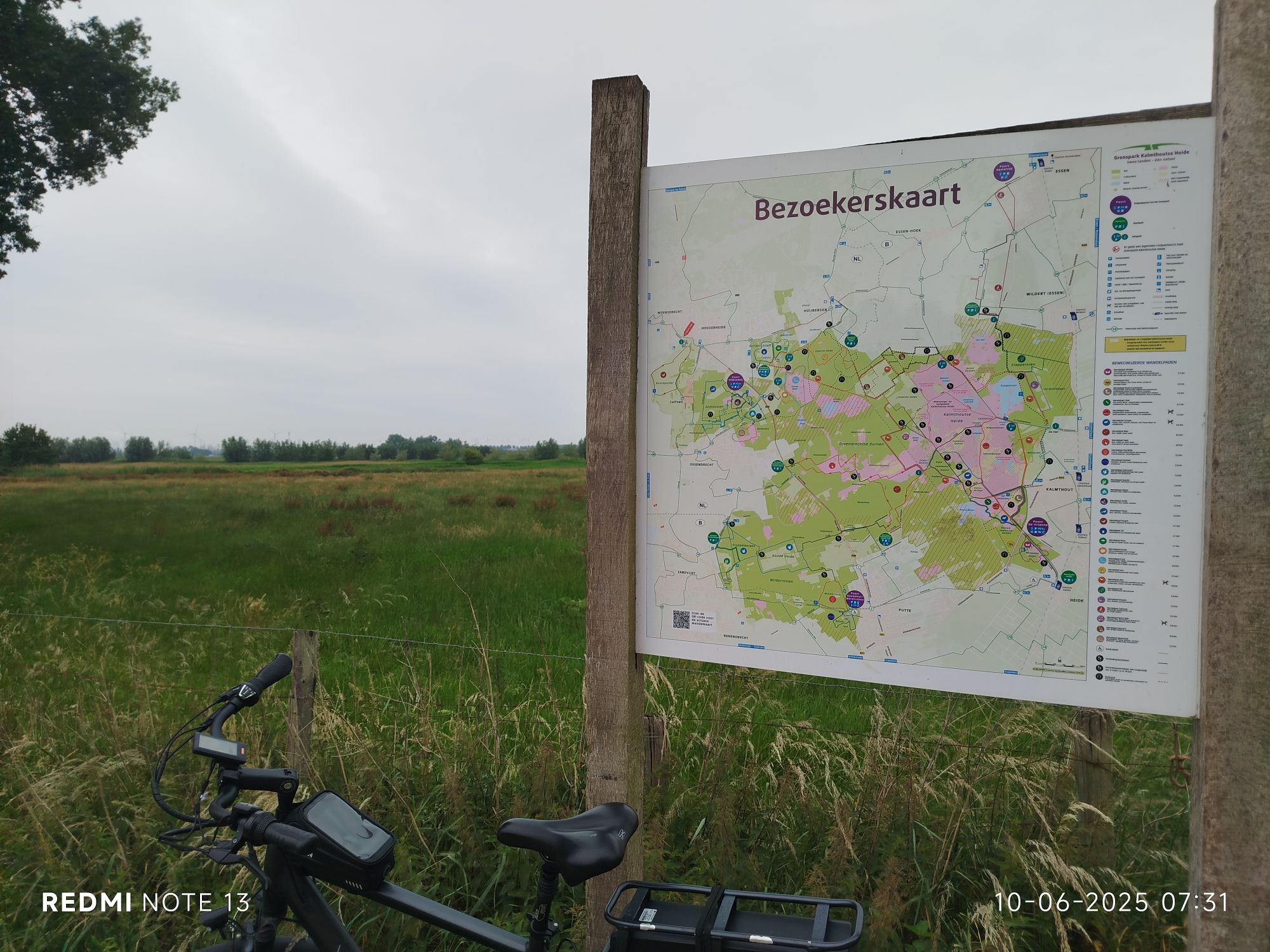
Apologies for my bike photobombing 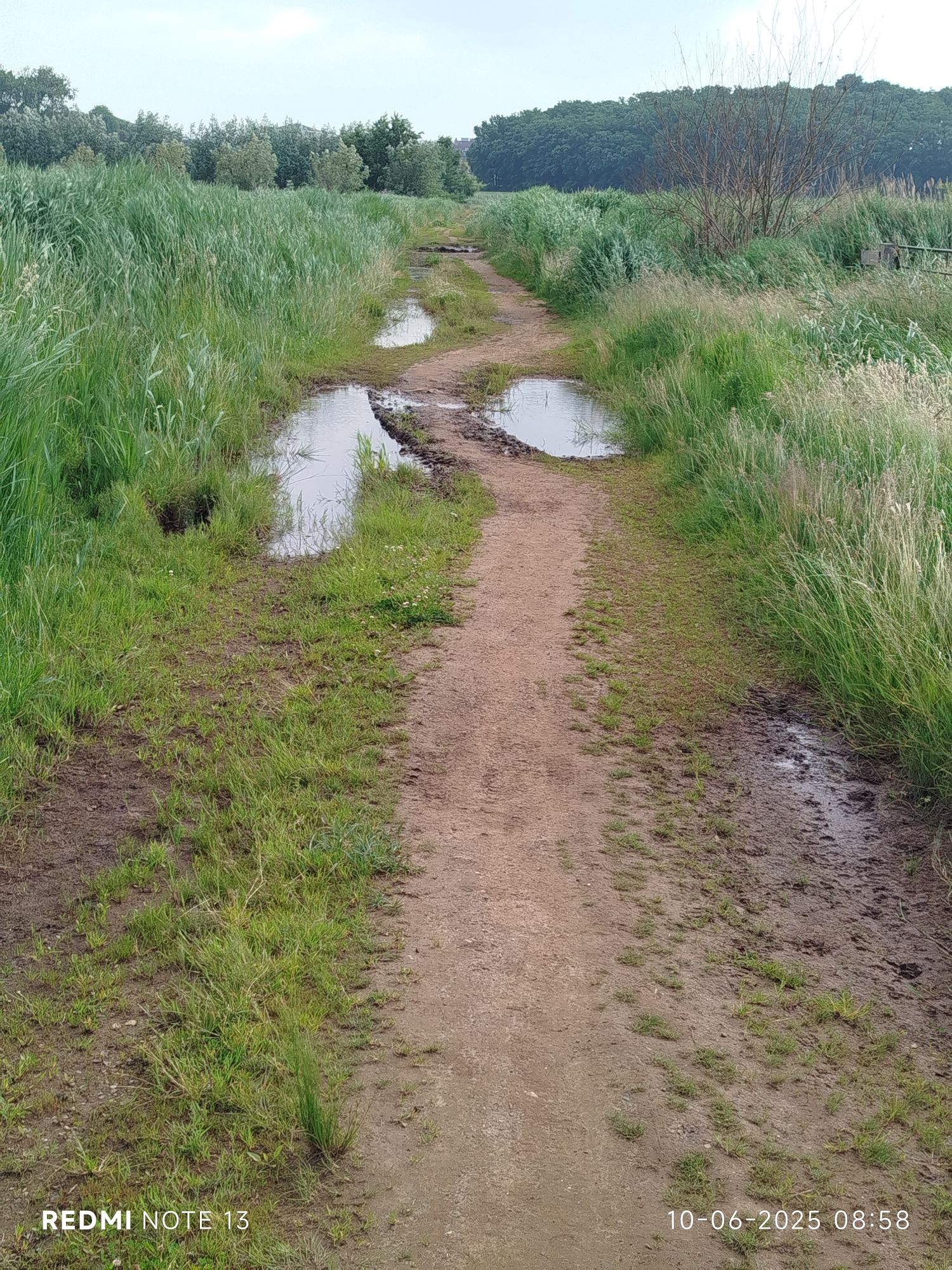
Last part of trail is in lowlands/wetlands. 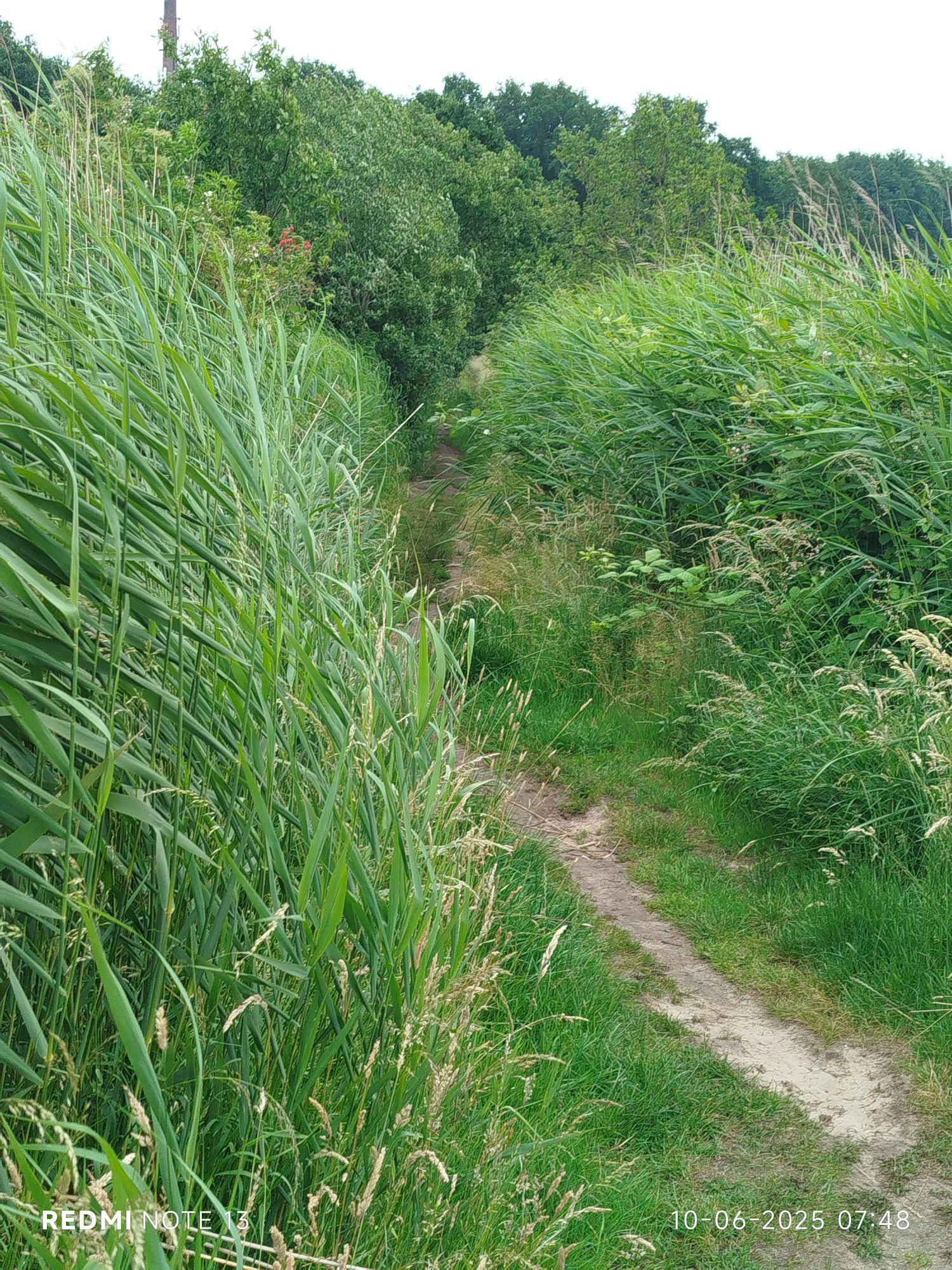
Well sheltered 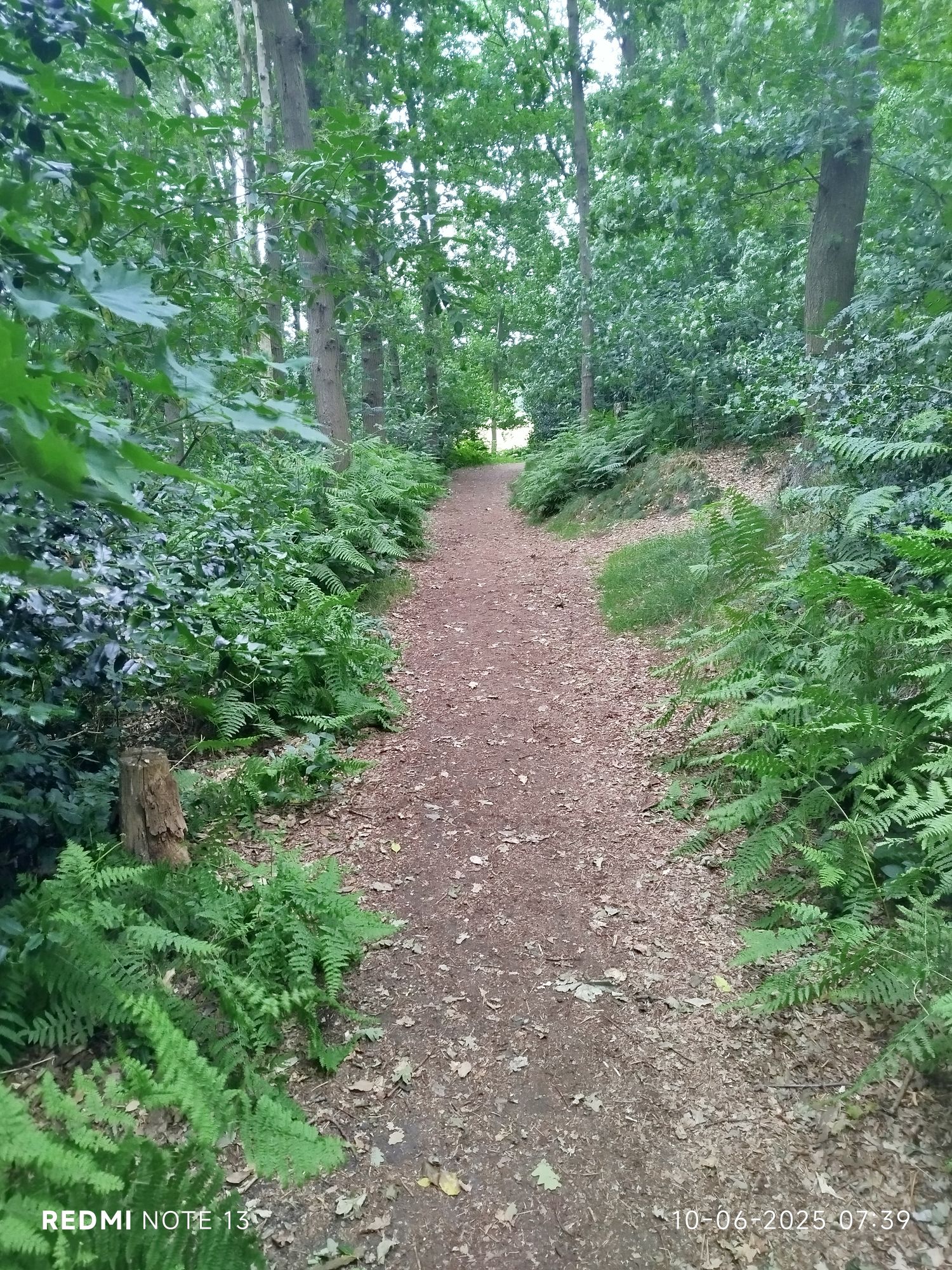
Woody area (on the wall) 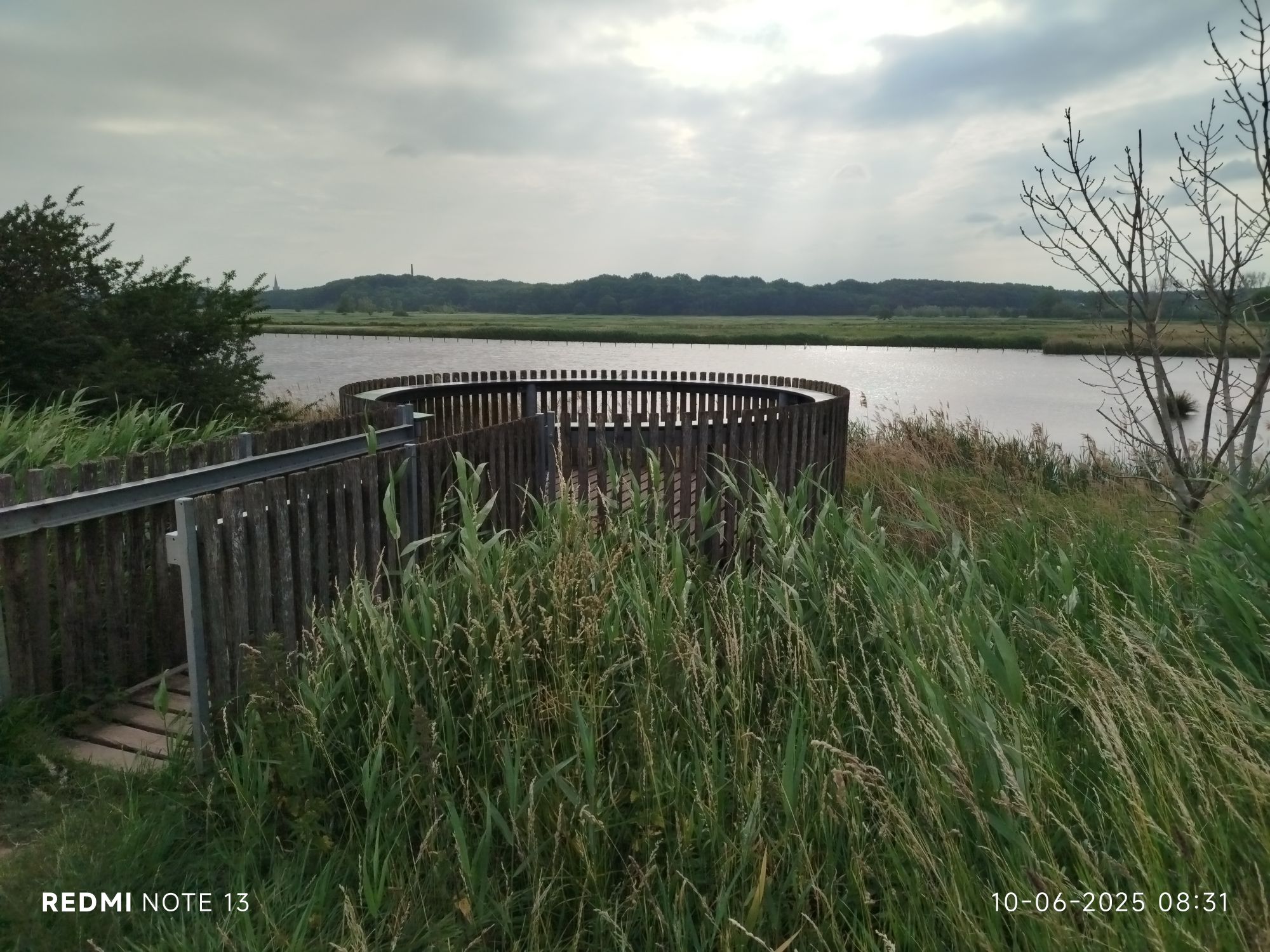
Ornithologists’ dream 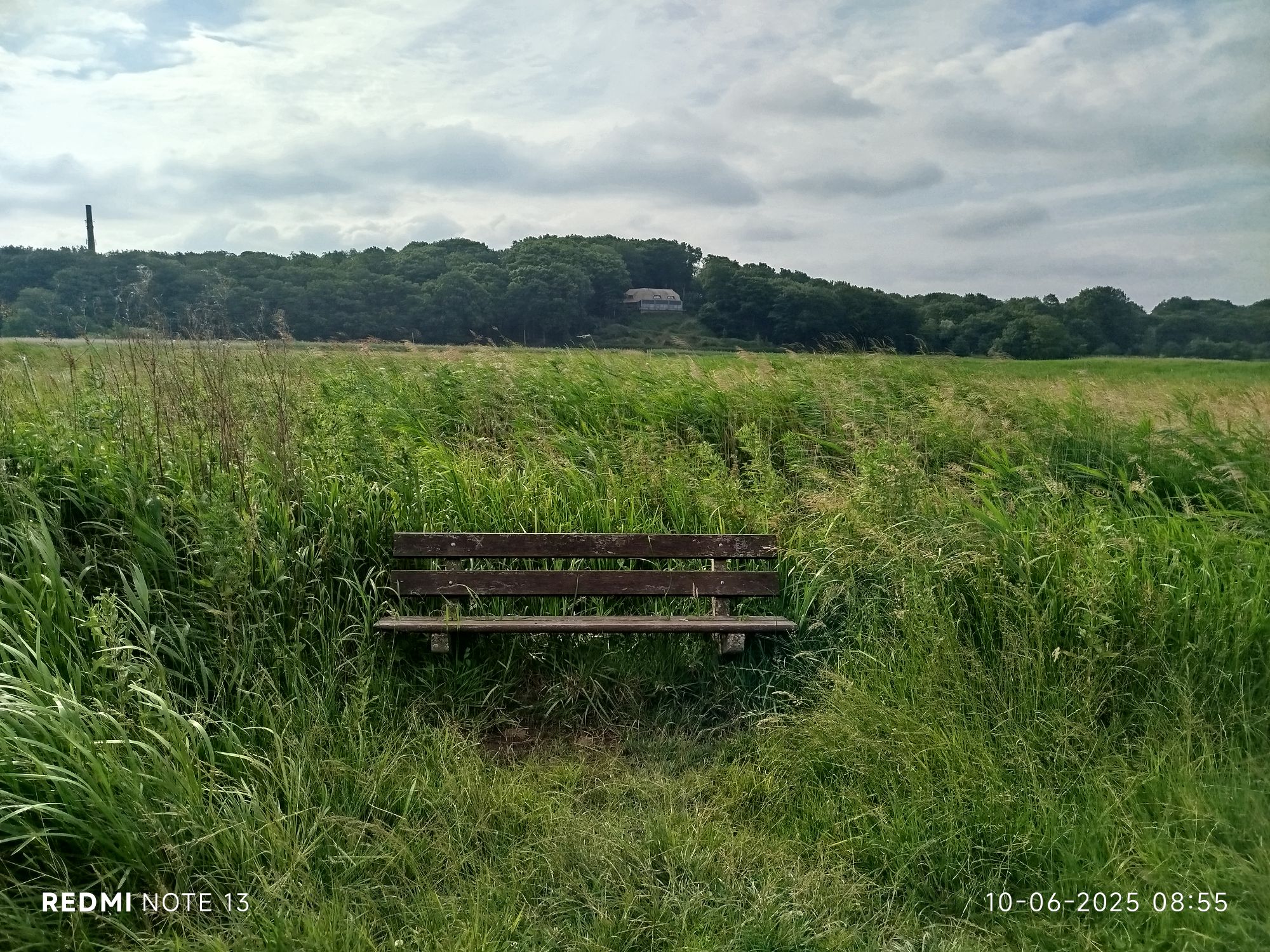
I like the other direction more 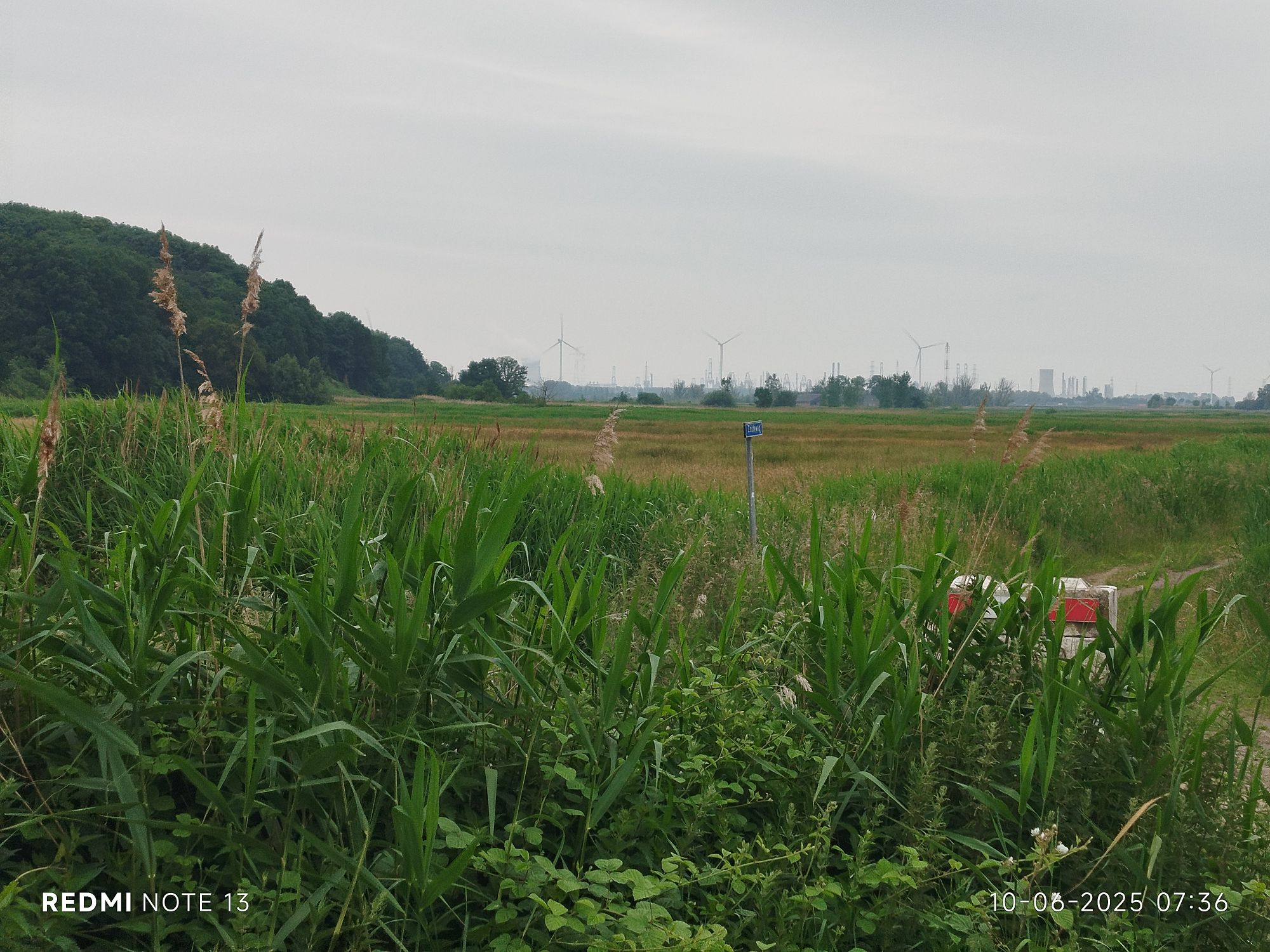
Port of Antwerp 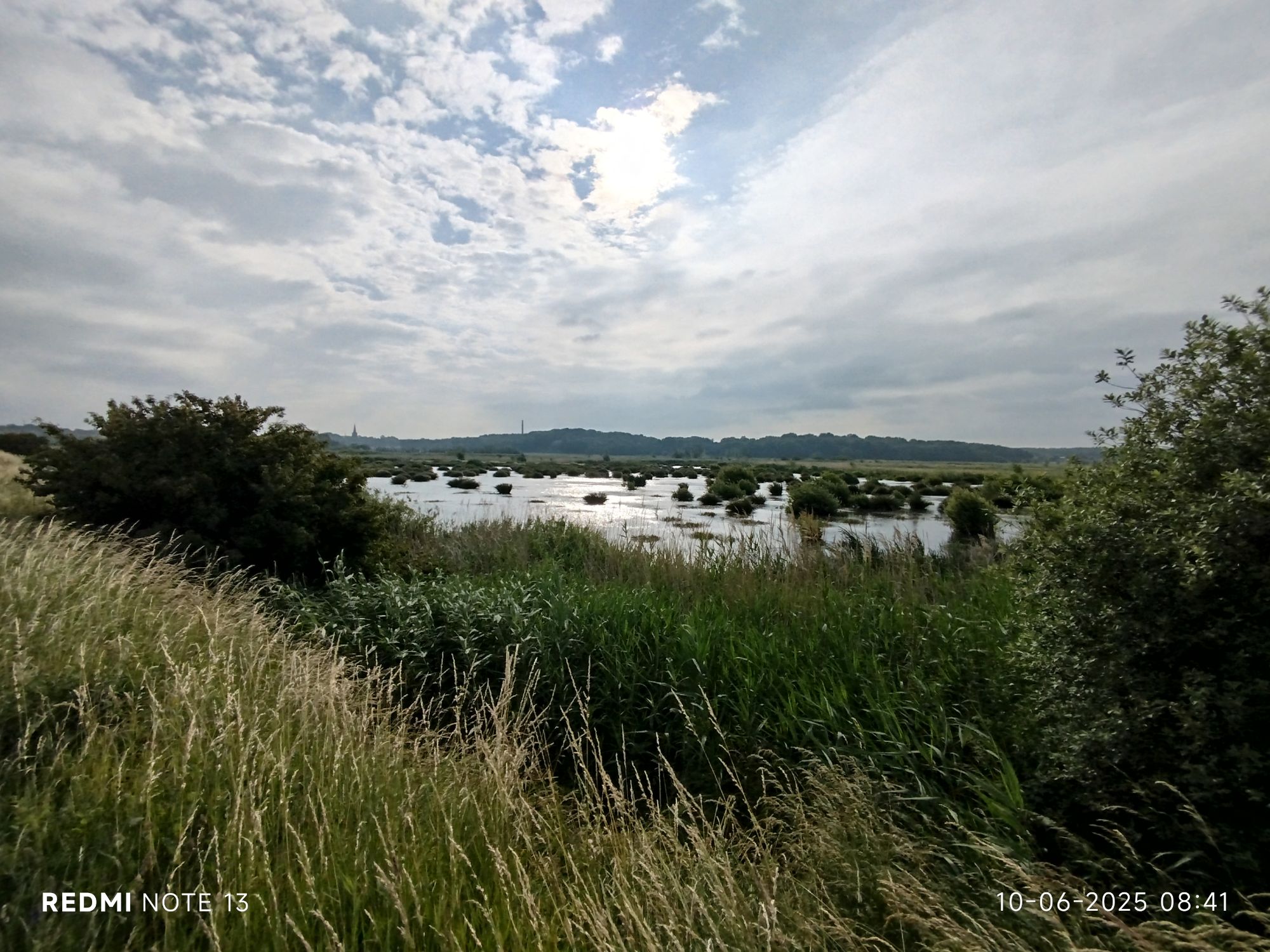
Wetlands 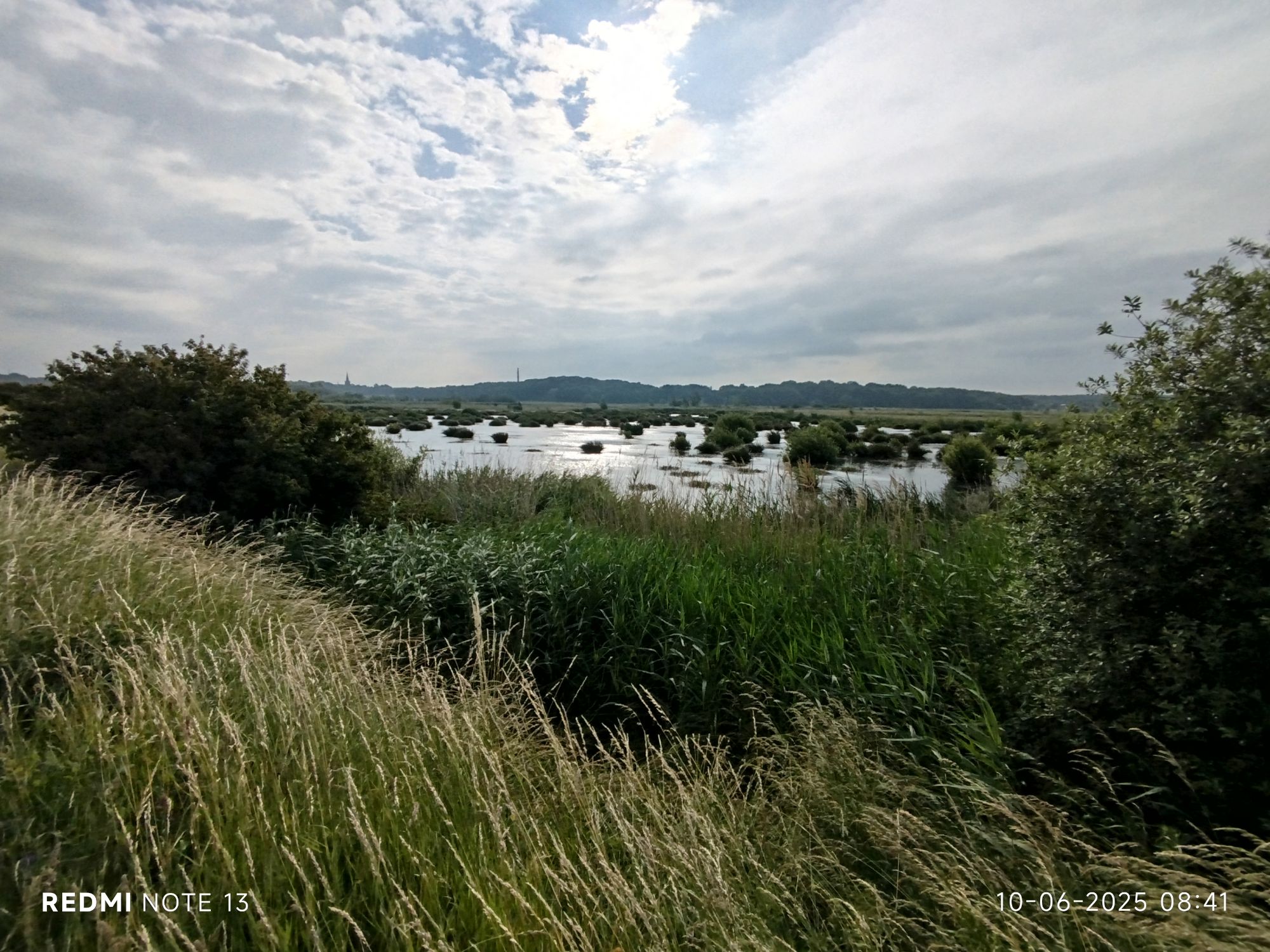
Wetlands2 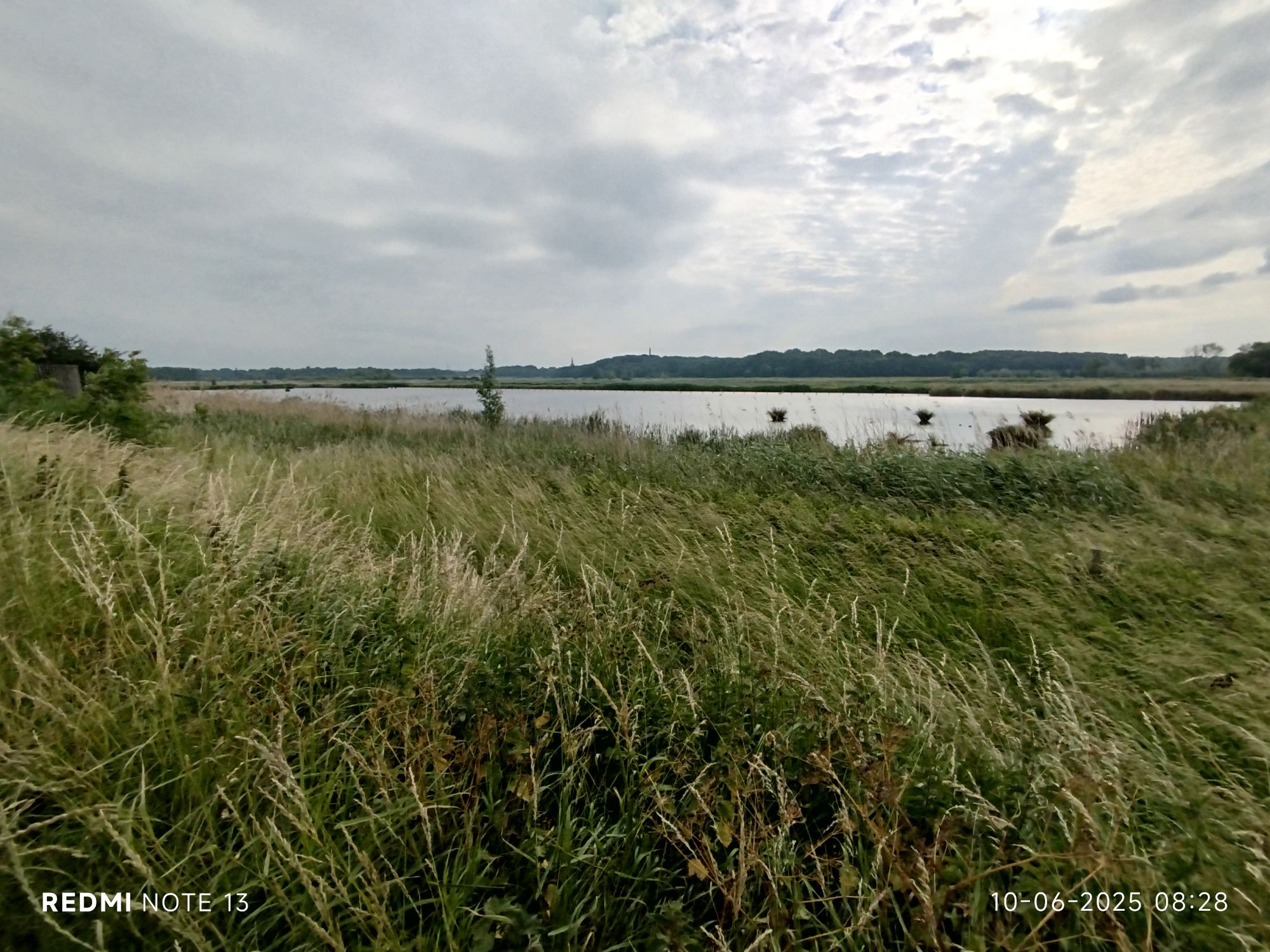
Wetlands3 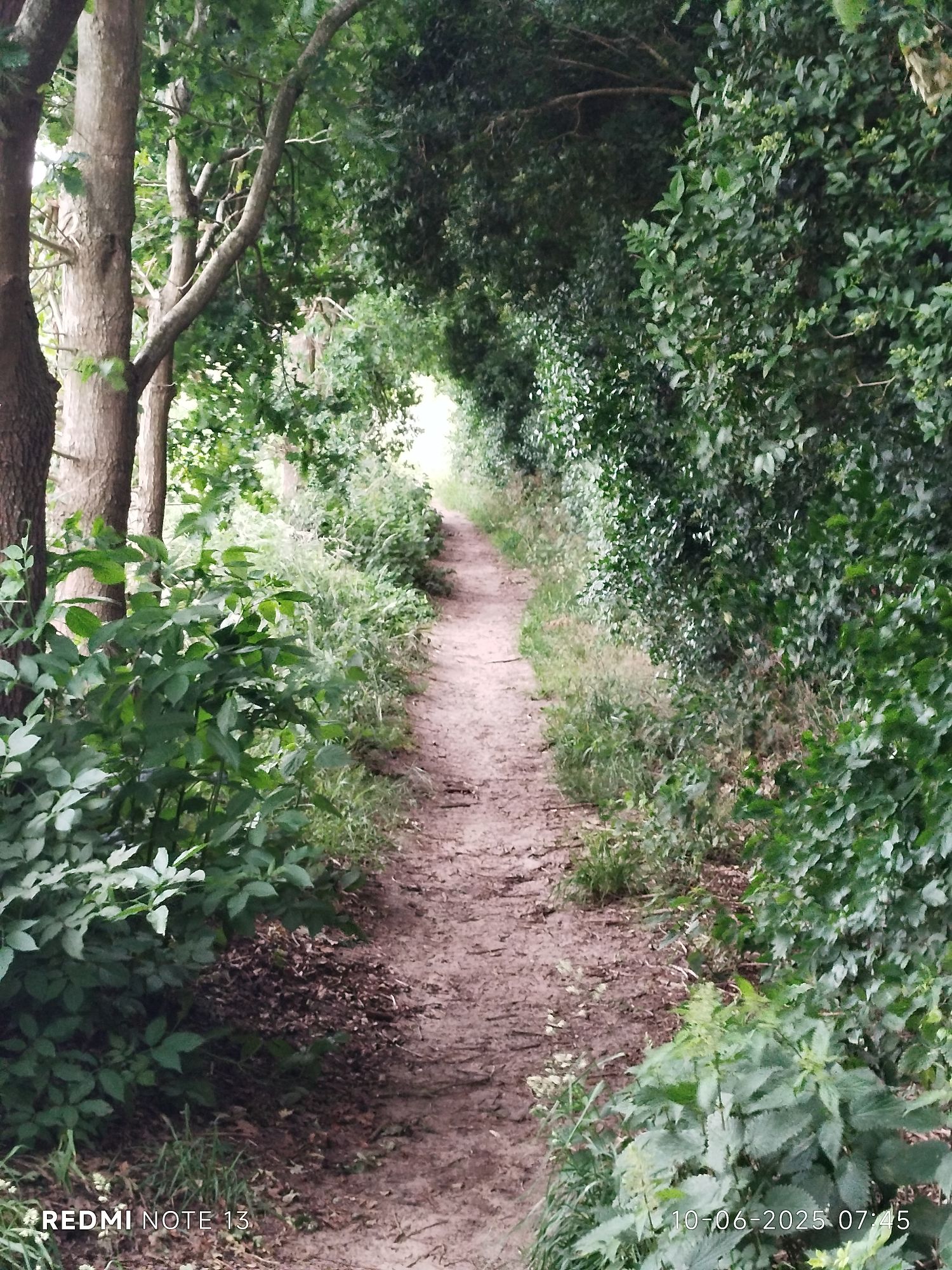
Passageway (the ones I prefer) 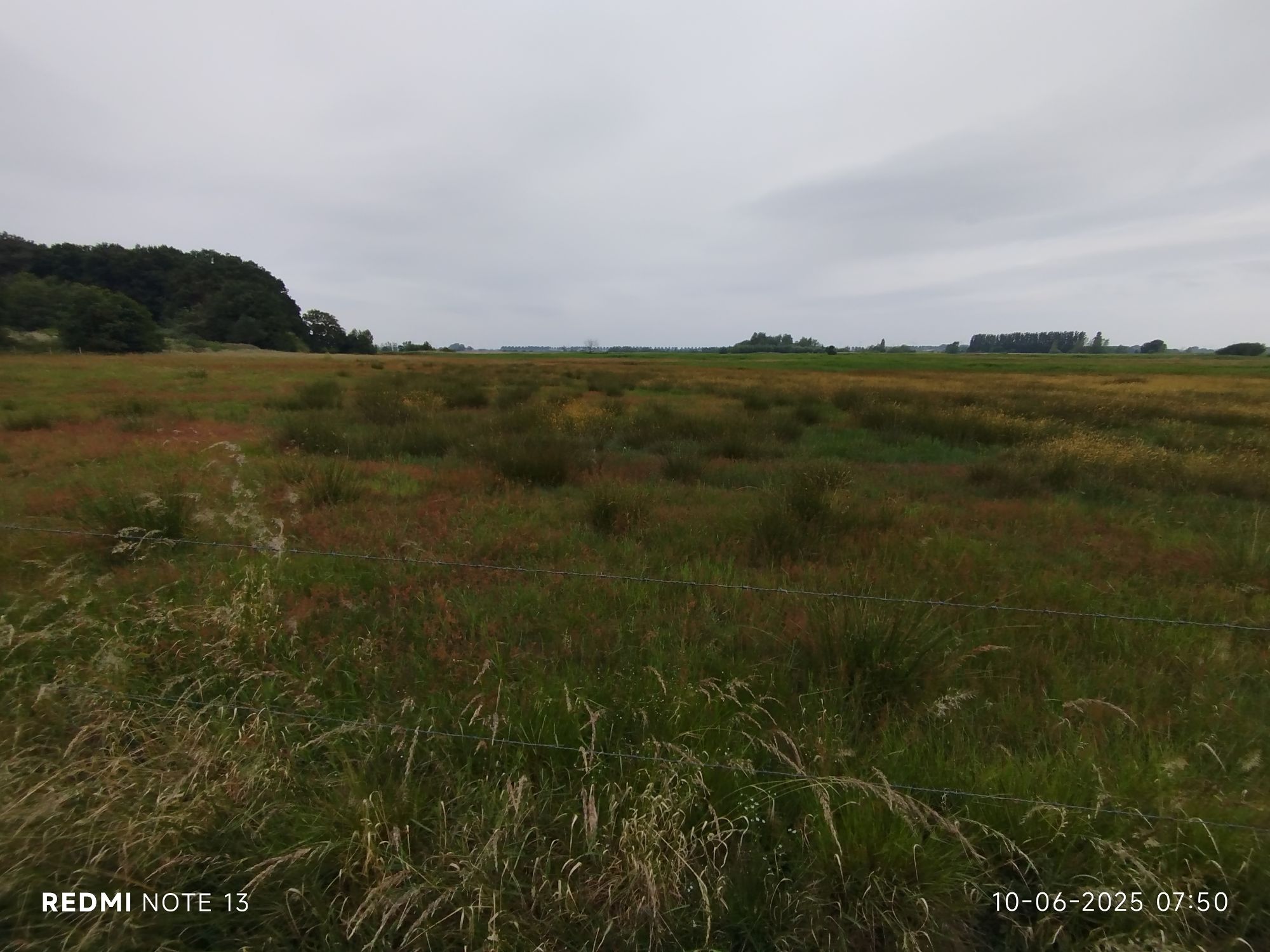
Noordpolder Ossendrecht (North Polder)
I would like to commence with a bit of history. The dutch part of Grenspark Kalmthoutse Heide is called Brabantse Wal (or Escarpment). Dutch “wal” is your wall although solely in referrence to water; when manmade we call it “muur”, apparently from Latin but used in English as mural.
The escarpment is created by the river Scheldt. War enthousiasts will recognise the name as a name of a battle (either 80years’ war/Anglo-Spanish War 1574 or WW2/1944, you pick). My interests in history and etymology has to end at some point though. When I read about all the different time periods, for some reason my brains switches off. So read here for further details of the formation: https://scheldedelta.eu/en/brabant-escarpment-kalmthoutse-heide
I was quite surprised to learn about the vast amount of English words of Dutch origine. Yes, I am aware of the colonial past of the United Netherlands (which includes modern day Belgium and Luxemburg). Fun fact: in school we, as Belgians since 1830, were not taught about this as part of our history. New Amsterdam might as well have been New Antwerp. When Antwerp’s golden age was stagnating, Amsterdam was booming. Most of the wealthy Antwerp citizens moved to Rotterdam and Amsterdam to invest. Also worth mentioning, in school, we were hardly aware of our colonial atrocities in Congo either… (during my schooldays, though, it might already have been corrected).
A wee bit less surprising to learn most words in Dutch are no longer in use or obsolute. Some, might not be surprised to correlate the words pump-pomp, quack(salver)-kwakzalver or
keelhauling – kielhalen, marshal – maarschalk but many will be gobsmacked that these are also derived from Dutch language: Yankee – Jan Kees, dollar – (rijks)daalder, scum – schuim, excise (noun) – accijns.
Overall was a nice, short trail with plenty of history, curiosities and nature and wildlife. Oh, and since I left so early this morning, I saw a deer (from the Dutch collective term for animal “dier”), several hares (from Dutch haas-hazen) and a few great blue herons (of French origine, in Dutch “reiger”) on my way over to the trail. I am no ornithologist or animal expert so I stick with those I recognise, are not too small, quick or omnipresent.
No pheasant was seen, perhaps it was present but not registered…
 Celtic Belgae